Looking for Custom Ceiling Solutions? Get a Free Quote Today!

-
ProductsMarketing & ServicesAfter-sales Service:
-
Marketing & ServicesAfter-sales Service:

Blog
Get ln Touch Today
Need Assistance? We're Here To Help!
Telephones
Understanding Paper-Faced Gypsum Board: A Versatile Material for Modern Construction
Release time :
Oct 25,2025
Source :
Paper-faced gypsum board, commonly referred to as drywall or gypsum wallboard, is a building material consisting of a core made from gypsum plaster, encased in a layer of thick paper. This combination results in a product that is not only lightweight and easy to handle but also offers excellent performance in terms of fire resistance, sound insulation, and thermal efficiency. One of the most signi

One of the most significant advantages of paper-faced gypsum board is its fire-resistant properties. The gypsum core contains water molecules, which, when exposed to heat, are released as steam, helping to slow the spread of flames. This characteristic makes it an ideal choice for constructing fire-rated walls, ceilings, and partitions in both residential and commercial buildings.
Moreover, paper-faced gypsum board contributes to enhanced acoustic performance. The density and composition of the board help to reduce sound transmission between rooms, making it a popular choice for applications in schools, hospitals, and multi-family residential complexes. By using this material, builders can create peaceful environments that promote productivity and well-being.
Additionally, the thermal insulation properties of paper-faced gypsum board can contribute to energy efficiency in buildings. By reducing the amount of heat transfer, it helps maintain comfortable indoor temperatures, thus lowering heating and cooling costs. This makes it an attractive option for eco-conscious builders looking to reduce their carbon footprint while providing quality living spaces.
Installation of paper-faced gypsum board is relatively straightforward, as it can be cut to size easily and is typically attached to wall frames or ceilings using screws or nails. Once installed, the joints are covered with tape and joint compound, creating a seamless surface that can be painted or finished according to design preferences.
The versatility of paper-faced gypsum board extends beyond just walls and ceilings. It can also be used in various applications, such as creating curved surfaces, adding architectural details, or forming partitions in both commercial and residential settings. Its adaptability allows architects and designers to explore creative possibilities in their projects.
In conclusion, paper-faced gypsum board is a vital material in the construction industry, offering numerous benefits such as fire resistance, sound insulation, and energy efficiency. Its easy installation and versatility make it an essential choice for professionals looking to enhance the quality and durability of their building projects. Understanding this material can lead to better decision-making and more successful outcomes in construction endeavors.
Other blogs
What to Consider Before Installing Sand Texture Mineral Fiber Ceiling Tiles: A Comprehensive Guide
What to Consider Before Installing Sand Texture Mineral Fiber Ceiling Tiles When it comes to ceiling design, **sand texture mineral fiber ceiling tiles** offer a unique blend of aesthetics and functionality. They are increasingly becoming a favorite among homeowners and commercial property managers alike due to their versatility and acoustic benefits. However, before diving into the installation p
Unlocking the Benefits of Mineral Wool Acoustic Ceiling Tiles
Mineral wool acoustic ceiling tiles have emerged as a preferred choice in the construction and decoration materials industry, particularly for those looking to enhance acoustic performance and energy efficiency in various environments. These tiles, made from natural or recycled materials, are renowned for their sound absorption properties, making them perfect for spaces where noise control is esse
Film-Faced Mineral Wool Ceiling Tiles: Essential Choices for Contemporary Architectural Design
Film-Faced Mineral Wool Ceiling Tiles: Essential Choices for Contemporary Architectural Design Table of Contents 1. Introduction to Film-Faced Mineral Wool Ceiling Tiles 2. What Are Film-Faced Mineral Wool Ceiling Tiles? 3. Benefits of Using Film-Faced Mineral Wool Ceiling Tiles 3.1 Acoustic Properties for Enhanced Sound Control 3.2 Sup
Exploring the Benefits of Fiberglass Ceiling Tiles in Modern Architecture
Fiberglass ceiling tiles are an increasingly popular choice in the realm of construction and decorative materials, particularly for interior spaces. These tiles are made from a composite of glass fibers and resin, resulting in a lightweight yet durable product that offers numerous benefits for both residential and commercial applications. One of the primary advantages of fiberglass ceiling tiles i
Cost-Effective Solutions: Metal Stud Framing for Wall Partitions
Cost-Effective Solutions: Metal Stud Framing for Wall Partitions Table of Contents Introduction to Metal Stud Framing Benefits of Metal Stud Framing Understanding Cost-Effectiveness in Construction The Installation Process of Metal Stud Framing Design Flexibility and Aesthetic Appeal Sustainability and Environmental Impact Common Issues and Solutions in Metal Stud Fram
Mineral Wool Acoustic Ceiling Tiles provide a practical ceiling solution for modern buildings where acoustic comfort, fire performance, visual appearance, and installation efficiency all need to work together.
Understanding Ceiling T Grid: Essential Insights for Construction Professionals
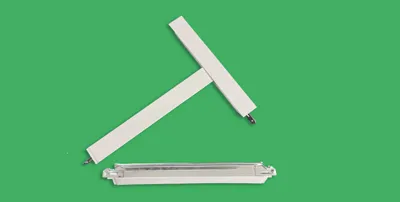
Ceiling T Grid systems, also known as T-bar grids, are an essential component in the construction and renovation of commercial and residential spaces. These grids serve as a framework for suspended ceilings and are instrumental in supporting ceiling tiles, acoustic panels, and light fixtures, making them a vital aspect of modern construction design. Understanding the functionality and installation
Light Steel Keels: A Game Changer for the Construction Industry
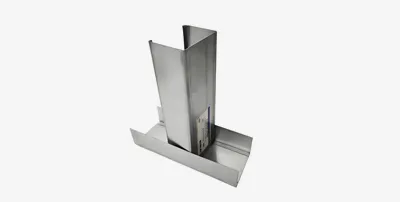
Light Steel Keels: A Game Changer for the Construction Industry Table of Contents 1. Introduction to Light Steel Keels 2. The Advantages of Using Light Steel Keels 2.1 Durability and Strength 2.2 Cost-Effectiveness 2.3 Environmental Benefits 3. Applications of Light Steel Keels in Construction 3.1 Residential Buildings 3.2 Commercial Structures 3.3 Industrial Facilities 4. Comparing Light Steel Ke