Looking for Custom Ceiling Solutions? Get a Free Quote Today!

-
ProductsMarketing & ServicesAfter-sales Service:
-
Marketing & ServicesAfter-sales Service:
Blog
Get ln Touch Today
Need Assistance? We're Here To Help!
Telephones
What to Consider Before Installing Sand Texture Mineral Fiber Ceiling Tiles: A Comprehensive Guide
Release time :
Oct 09,2026
Source :
What to Consider Before Installing Sand Texture Mineral Fiber Ceiling Tiles When it comes to ceiling design, **sand texture mineral fiber ceiling tiles** offer a unique blend of aesthetics and functionality. They are increasingly becoming a favorite among homeowners and commercial property managers alike due to their versatility and acoustic benefits. However, before diving into the installation p

What to Consider Before Installing Sand Texture Mineral Fiber Ceiling Tiles
When it comes to ceiling design, **sand texture mineral fiber ceiling tiles** offer a unique blend of aesthetics and functionality. They are increasingly becoming a favorite among homeowners and commercial property managers alike due to their versatility and acoustic benefits. However, before diving into the installation process, there are several critical factors to consider. This guide will delve into the essential aspects you need to keep in mind to ensure a successful installation of sand texture mineral fiber ceiling tiles.
Table of Contents
1. Understanding Sand Texture Mineral Fiber Ceiling Tiles
2. Benefits of Using Sand Texture Mineral Fiber Ceiling Tiles
2.1 Aesthetic Appeal
2.2 Acoustic Performance
2.3 Durability and Maintenance
3. Installation Considerations
3.1 Preparing the Space
3.2 Tools and Materials Needed
3.3 Step-by-Step Installation Process
4. Common Mistakes to Avoid
5. Cleaning and Maintenance Tips
6. Frequently Asked Questions (FAQs)
7. Conclusion
1. Understanding Sand Texture Mineral Fiber Ceiling Tiles
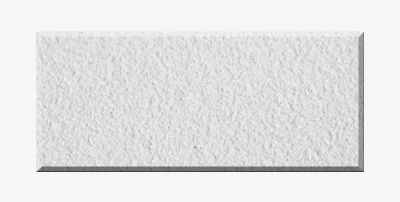
Sand texture mineral fiber ceiling tiles are made from a combination of mineral fibers, making them lightweight yet sturdy. These tiles are designed to mimic the appearance of sand, providing a textured finish that enhances the visual appeal of any room. Available in various sizes and designs, they are suitable for both residential and commercial settings.
The **composition** of these tiles often includes a mix of mineral wool, fiberglass, and other non-combustible materials. This construction not only contributes to their durability but also helps in sound absorption, making them an excellent choice for spaces that require noise reduction.
2. Benefits of Using Sand Texture Mineral Fiber Ceiling Tiles
Choosing the right ceiling tiles can significantly impact the overall atmosphere of a room. Sand texture mineral fiber ceiling tiles come with numerous benefits that make them a wise choice.
2.1 Aesthetic Appeal
The **sand texture** offers a unique and modern look that can suit various interior designs. Whether you are designing a cozy living room or a bustling office space, these tiles can enhance the aesthetic appeal and create a welcoming environment.
2.2 Acoustic Performance
One of the standout features of sand texture mineral fiber ceiling tiles is their ability to absorb sound. This makes them ideal for spaces that require a quiet atmosphere, such as conference rooms, classrooms, and residential homes. The **acoustic properties** help minimize noise pollution, allowing for better concentration and comfort.
2.3 Durability and Maintenance
Unlike traditional ceiling materials, sand texture mineral fiber ceiling tiles are resistant to moisture, mold, and mildew. This durability makes them suitable for high-humidity areas like bathrooms or kitchens. Additionally, their maintenance is relatively low; a simple dusting or occasional cleaning is usually sufficient to keep them looking fresh.
3. Installation Considerations
Before embarking on the installation journey, several factors should be taken into account to ensure a smooth process.
3.1 Preparing the Space
First and foremost, assess the current condition of your ceiling. Make sure it is clean and free from any debris. If there are existing tiles, you may want to remove them. Ensure the ceiling is level, as uneven surfaces can lead to complications during installation.
3.2 Tools and Materials Needed
To install sand texture mineral fiber ceiling tiles, you will need specific tools and materials, including:
- **Tiles**: Choose the appropriate size and design of the sand texture mineral fiber ceiling tiles.
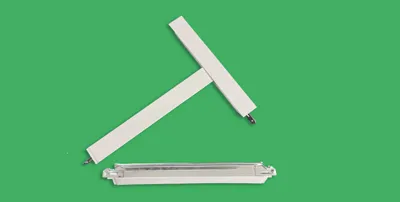
- **Grid System**: A suspended grid system may be necessary for hanging the tiles.
- **Cutting Tools**: A utility knife or saw will help you cut the tiles to size when needed.
- **Measuring Tape**: Accurate measurements are crucial for a professional finish.
- **Safety Gear**: Gloves and safety goggles are recommended to protect yourself during the installation process.
3.3 Step-by-Step Installation Process
Now that you have prepared your space and gathered the necessary tools, you can follow these steps for installation:
1. **Measure the Ceiling**: Measure the length and width of the ceiling to determine how many tiles you will need.
2. **Install the Grid System**: Begin by installing the grid system according to the manufacturer’s instructions. Ensure it is level and secure.
3. **Cut the Tiles**: If necessary, cut the tiles to fit into the grid system using a utility knife.
4. **Insert the Tiles**: Place the cut tiles into the grid securely, ensuring they fit snugly without gaps.
5. **Finishing Touches**: Once all tiles are installed, check for any uneven areas or loose tiles and adjust them as needed.
4. Common Mistakes to Avoid
While installing sand texture mineral fiber ceiling tiles can be straightforward, there are common pitfalls to avoid:
- **Neglecting Measurements**: Always double-check measurements before cutting tiles. Mistakes in measurement can lead to wasted materials.
- **Ignoring the Grid Level**: An unlevel grid can result in uneven tile placement, compromising the overall look.
- **Poor Ventilation**: Ensure the area is well-ventilated during installation to prevent dust accumulation and improve air quality.
5. Cleaning and Maintenance Tips
To ensure the longevity and beauty of your sand texture mineral fiber ceiling tiles, adopt a regular cleaning routine:
- **Dusting**: Use a soft broom or vacuum with a brush attachment to remove dust and debris from the surface.
- **Spot Cleaning**: For stains or marks, use a damp cloth with a mild detergent. Avoid harsh chemicals, as they can damage the tile surface.
- **Periodic Checks**: Regularly inspect tiles for any signs of damage, mold, or mildew, especially in high-humidity areas. Address any issues promptly to maintain the integrity of your ceiling.
6. Frequently Asked Questions (FAQs)
1. Are sand texture mineral fiber ceiling tiles easy to install?
Yes, they are relatively easy to install, especially with a suspended grid system. Following the proper steps will yield professional results.
2. Can these tiles be painted?
While it is possible to paint mineral fiber ceiling tiles, it is generally not recommended as it can affect their acoustic properties and finish. If necessary, consult with the manufacturer for guidance.
3. How do I know if my ceiling is suitable for these tiles?
Ensure your ceiling is level and free of moisture damage. If in doubt, consult a professional to assess your space before installation.
4. What are the acoustic benefits of sand texture mineral fiber ceiling tiles?
These tiles are designed to absorb sound, reducing noise levels in a room, making them ideal for offices, classrooms, and home theaters.
5. How can I ensure durability in high-humidity areas?
Choose high-quality tiles specifically designed for moisture resistance. Regular maintenance and inspection will also help in prolonging their lifespan.
7. Conclusion
Installing **sand texture mineral fiber ceiling tiles** can significantly enhance the aesthetic and acoustic quality of your space. By considering the various factors discussed in this guide—from understanding the material and its benefits to careful installation and maintenance—you can ensure a successful project that meets your needs. With proper planning and execution, these tiles can provide a long-lasting, attractive solution for both residential and commercial environments. Embrace the elegance and functionality of sand texture mineral fiber ceiling tiles, and transform your ceilings into a remarkable feature of your space.
Other blogs
Fiberglass Ceiling Tiles: Your Ultimate Solution for Effective Soundproofing
Fiberglass Ceiling Tiles: Your Go-To for Soundproofing Table of Contents 1. Introduction to Fiberglass Ceiling Tiles 2. What Are Fiberglass Ceiling Tiles? 3. Benefits of Using Fiberglass Ceiling Tiles for Soundproofing 4. How Do Fiberglass Ceiling Tiles Work for Soundproofing? 5. Installation Process of Fiberglass Ceiling Tiles 6. Maintenance Tips for Fiberglass Ceiling Ti
Understanding Metal Stud Framing for Wall Partitions: A Comprehensive Guide
Metal stud framing is becoming an increasingly popular choice for wall partitions in construction and interior design, offering a range of benefits that traditional wood framing simply cannot match. This comprehensive guide will delve into the key aspects of metal stud framing, emphasizing its importance in creating durable, efficient, and versatile wall systems. One of the primary advantages of m
Enhancing Your Office Aesthetics with Ceiling T Grid Installations
Enhancing Your Office Aesthetics with Ceiling T Grid Installations Table of Contents 1. Understanding Ceiling T Grid Systems 2. Benefits of Ceiling T Grid Installations for Office Spaces 3. Types of Ceiling T Grid Materials 4. Design Options for Ceiling T Grid Installations 5. The Installation Process of Ceiling T Grids 6. Maintenance Tips for Ceiling T Grid Systems 7.
Understanding Light Steel Keel: A Modern Solution in Construction
--- Light Steel Keel has emerged as a prominent choice in contemporary construction and decoration sectors due to its unique properties and benefits. This building material, primarily composed of cold-formed steel, offers exceptional strength-to-weight ratios, making it a versatile option for a variety of applications. One of the significant advantages of Light Steel Keel is its lightweight nature
Step-by-Step Guide to Repairing and Maintaining Your Paper-Faced Gypsum Board Walls
Step-by-Step Guide to Repairing and Maintaining Your Paper-Faced Gypsum Board Walls Paper-faced gypsum board walls, commonly known as drywall, are widely used in residential and commercial buildings due to their versatility, ease of installation, and cost-effectiveness. However, these walls can suffer from damage over time, whether from impact, moisture, or normal wear and tear. Maintaining and re
Understanding Calcium Silicate Ceiling Boards: Properties, Benefits, and Applications
Calcium Silicate Ceiling Boards are an innovative building material extensively used in the construction and decoration industry. These boards are primarily composed of calcium silicate hydrate, making them highly versatile for various applications. One of the key benefits of using Calcium Silicate Ceiling Boards is their excellent thermal insulation properties. They effectively minimize heat tran
What to Consider Before Installing Sand Texture Mineral Fiber Ceiling Tiles: A Comprehensive Guide
What to Consider Before Installing Sand Texture Mineral Fiber Ceiling Tiles When it comes to ceiling design, **sand texture mineral fiber ceiling tiles** offer a unique blend of aesthetics and functionality. They are increasingly becoming a favorite among homeowners and commercial property managers alike due to their versatility and acoustic benefits. However, before diving into the installation p
Unlocking the Benefits of Mineral Wool Acoustic Ceiling Tiles
Mineral wool acoustic ceiling tiles have emerged as a preferred choice in the construction and decoration materials industry, particularly for those looking to enhance acoustic performance and energy efficiency in various environments. These tiles, made from natural or recycled materials, are renowned for their sound absorption properties, making them perfect for spaces where noise control is esse