Looking for Custom Ceiling Solutions? Get a Free Quote Today!

-
ProductsMarketing & ServicesAfter-sales Service:
-
Marketing & ServicesAfter-sales Service:

Blog
Get ln Touch Today
Need Assistance? We're Here To Help!
Telephones
Understanding Light Steel Keel: The Future of Architectural Frameworks
Release time :
Oct 29,2025
Source :
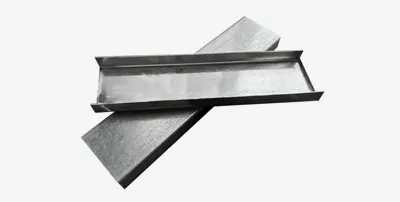
Light Steel Keel systems are an essential component in the construction industry, particularly in the context of architectural frameworks. Composed of cold-formed steel, these keels offer a lightweight yet robust solution for a variety of building applications. The use of Light Steel Keels is becoming increasingly popular due to their versatility and numerous advantages over traditional materials.

One of the primary benefits of Light Steel Keels is their strength-to-weight ratio. Unlike conventional materials such as wood, which can be heavy and less durable, Light Steel Keels provide a strong structural framework while minimizing the overall weight of the building. This characteristic is especially beneficial in large-scale projects where reducing the load on foundations is crucial for structural integrity.
Additionally, Light Steel Keels exhibit excellent resistance to environmental factors. They are non-combustible, making them inherently fire-resistant, which is a significant advantage in ensuring building safety. Moreover, they are immune to pests such as termites, which can be a significant concern with wooden structures. This durability leads to reduced maintenance costs over the lifespan of a building.
Another important aspect of Light Steel Keels is their ease of installation. The prefabricated nature of these materials allows for quicker assembly on-site, which can significantly shorten project timelines. This efficiency is further enhanced by the ability to customize keels to fit specific architectural designs, providing flexibility for architects and builders alike.
In terms of sustainability, Light Steel Keels are also an environmentally friendly choice. Steel is a recyclable material, and the production of cold-formed steel requires less energy compared to traditional construction materials. This makes Light Steel Keels an attractive option for environmentally-conscious projects aiming to minimize their carbon footprint.
Furthermore, Light Steel Keels can be utilized in various applications, including interior partitions, ceiling systems, and even external cladding frameworks. Their adaptability to different design needs makes them a preferred choice among architects and builders looking to innovate while maintaining structural integrity.
In summary, Light Steel Keels represent a forward-thinking approach in the construction industry, offering a combination of strength, durability, and versatility. As the demand for efficient and sustainable building materials continues to rise, understanding the technical advantages and applications of Light Steel Keels will be essential for industry professionals committed to advancing architectural practices.
Other blogs
Unlocking the Benefits of Mineral Wool Acoustic Ceiling Tiles
Mineral wool acoustic ceiling tiles have emerged as a preferred choice in the construction and decoration materials industry, particularly for those looking to enhance acoustic performance and energy efficiency in various environments. These tiles, made from natural or recycled materials, are renowned for their sound absorption properties, making them perfect for spaces where noise control is esse
Film-Faced Mineral Wool Ceiling Tiles: Essential Choices for Contemporary Architectural Design
Film-Faced Mineral Wool Ceiling Tiles: Essential Choices for Contemporary Architectural Design Table of Contents 1. Introduction to Film-Faced Mineral Wool Ceiling Tiles 2. What Are Film-Faced Mineral Wool Ceiling Tiles? 3. Benefits of Using Film-Faced Mineral Wool Ceiling Tiles 3.1 Acoustic Properties for Enhanced Sound Control 3.2 Sup
Exploring the Benefits of Fiberglass Ceiling Tiles in Modern Architecture
Fiberglass ceiling tiles are an increasingly popular choice in the realm of construction and decorative materials, particularly for interior spaces. These tiles are made from a composite of glass fibers and resin, resulting in a lightweight yet durable product that offers numerous benefits for both residential and commercial applications. One of the primary advantages of fiberglass ceiling tiles i
Cost-Effective Solutions: Metal Stud Framing for Wall Partitions
Cost-Effective Solutions: Metal Stud Framing for Wall Partitions Table of Contents Introduction to Metal Stud Framing Benefits of Metal Stud Framing Understanding Cost-Effectiveness in Construction The Installation Process of Metal Stud Framing Design Flexibility and Aesthetic Appeal Sustainability and Environmental Impact Common Issues and Solutions in Metal Stud Fram
Mineral Wool Acoustic Ceiling Tiles provide a practical ceiling solution for modern buildings where acoustic comfort, fire performance, visual appearance, and installation efficiency all need to work together.
Understanding Ceiling T Grid: Essential Insights for Construction Professionals
Ceiling T Grid systems, also known as T-bar grids, are an essential component in the construction and renovation of commercial and residential spaces. These grids serve as a framework for suspended ceilings and are instrumental in supporting ceiling tiles, acoustic panels, and light fixtures, making them a vital aspect of modern construction design. Understanding the functionality and installation
Light Steel Keels: A Game Changer for the Construction Industry
Light Steel Keels: A Game Changer for the Construction Industry Table of Contents 1. Introduction to Light Steel Keels 2. The Advantages of Using Light Steel Keels 2.1 Durability and Strength 2.2 Cost-Effectiveness 2.3 Environmental Benefits 3. Applications of Light Steel Keels in Construction 3.1 Residential Buildings 3.2 Commercial Structures 3.3 Industrial Facilities 4. Comparing Light Steel Ke
The Essential Guide to Paper-Faced Gypsum Boards: Versatility in Construction and Decoration
Paper-faced gypsum board, commonly known as drywall or gypsum wallboard, plays a critical role in modern construction and interior design. This building material, composed of a gypsum core encased in a layer of paper, offers numerous advantages that make it a popular choice among builders, contractors, and interior decorators. One of the primary benefits of paper-faced gypsum boards is their ease