Looking for Custom Ceiling Solutions? Get a Free Quote Today!

-
ProductsMarketing & ServicesAfter-sales Service:
-
Marketing & ServicesAfter-sales Service:
Blog
Get ln Touch Today
Need Assistance? We're Here To Help!
Telephones
Discover the Benefits of Metal Stud Framing for Wall Partitions: A Comprehensive Guide
Release time :
Nov 07,2025
Source :
Discover the Benefits of Metal Stud Framing for Wall Partitions Metal stud framing has emerged as a popular choice in the construction industry, particularly for wall partitions. As we delve into the various aspects of this innovative building technique, we will explore the distinct advantages it offers over traditional wood framing. By the end of this article, you will gain a comprehensive unders

Discover the Benefits of Metal Stud Framing for Wall Partitions
Metal stud framing has emerged as a popular choice in the construction industry, particularly for wall partitions. As we delve into the various aspects of this innovative building technique, we will explore the distinct advantages it offers over traditional wood framing. By the end of this article, you will gain a comprehensive understanding of why metal stud framing is revolutionizing the way we construct interior spaces.
Table of Contents
- What is Metal Stud Framing?
- Benefits of Metal Stud Framing for Wall Partitions
- Durability and Longevity
- Fire Resistance
- Pest Resistance
- Cost-Effectiveness
- Environmental Sustainability
- The Installation Process of Metal Stud Framing
- Design Flexibility with Metal Stud Framing
- Metal Stud Framing vs. Wood Framing
- Common Uses of Metal Stud Framing
- Frequently Asked Questions
- Conclusion
What is Metal Stud Framing?
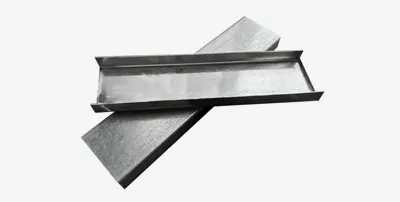
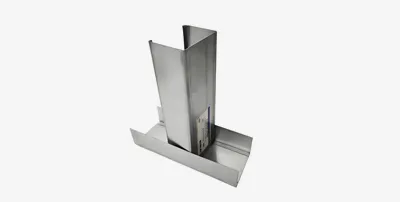
Metal stud framing is a construction method that uses steel studs instead of traditional wood studs to create the structural framework for walls, ceilings, and partitions. This system typically consists of cold-formed steel sections that are lightweight, strong, and resistant to many of the issues that affect wood framing. With metal stud framing, builders can create durable and adaptable structures that meet modern building standards.
Benefits of Metal Stud Framing for Wall Partitions
Metal stud framing comes with a myriad of benefits that make it an attractive option for contractors, architects, and property owners. Below are some of the key advantages.
Durability and Longevity
One of the primary benefits of using metal stud framing is its exceptional **durability**. Unlike wood, which can warp, crack, or rot over time, metal studs are inherently resistant to many of the problems associated with conventional framing materials. This results in a longer lifespan for your walls and partitions, which can be particularly advantageous in high-traffic areas.
Fire Resistance
When it comes to safety, metal stud framing holds a significant advantage over wood framing. Metal is non-combustible, making it an ideal choice for areas where fire safety is a concern. In the event of a fire, metal studs do not ignite, which can help contain the spread of flames and protect property and lives.
Pest Resistance
Another notable advantage of metal stud framing is its **pest resistance**. Unlike wood, metal is impervious to termites, carpenter ants, and other wood-destroying insects. This means that structures built with metal studs require less pest control treatment over time, translating to reduced maintenance costs and fewer headaches for property owners.
Cost-Effectiveness
While the initial investment for metal stud framing may be higher than wood, the long-term savings are substantial. Metal studs are lightweight, which can lead to lower transportation costs. Additionally, the reduced need for repairs and replacements due to durability means lower maintenance costs over the lifespan of the structure. As a result, metal stud framing can be a cost-effective solution in the long run.
Environmental Sustainability
Sustainability has become an essential consideration in the construction industry. Metal studs are often made from recycled materials and can be recycled at the end of their lifespan. This contributes to a more sustainable building practice, making metal stud framing an environmentally friendly option.
The Installation Process of Metal Stud Framing
Installing metal stud framing involves several steps, each requiring precision and care. Here’s a brief overview of the installation process:
1. **Planning and Layout**: Before beginning the installation, precise measurements and layout plans must be created to ensure the wall partitions fit correctly.
2. **Cutting the Metal Studs**: Metal studs are typically cut to size using a metal cutting saw. It's essential to wear safety gear during this process due to metal shavings.
3. **Erecting the Frame**: The first step in erecting the frame involves attaching the bottom track to the floor, followed by vertical studs secured to the top track.
4. **Bracing and Securing**: Once the frame is up, bracing can be added for additional support, ensuring that the structure is stable.
5. **Cladding**: Finally, the wall can be clad with drywall or other materials, completing the partition.
This process is generally quicker than wood framing, allowing for faster project completion times.
Design Flexibility with Metal Stud Framing
One of the standout features of metal stud framing is its **design flexibility**. Metal studs come in various widths and thicknesses, allowing builders to customize their structures to fit specific design needs. Additionally, metal framing can accommodate a range of interior finishes, from drywall to glass panels, making it suitable for various aesthetic preferences.
Metal Stud Framing vs. Wood Framing
When comparing metal stud framing with wood framing, several factors come into play.
- **Strength and Weight**: Metal studs are lighter yet stronger than wood, making them easier to transport and install while offering superior structural integrity.
- **Moisture Resistance**: Metal does not absorb moisture, reducing the risk of mold and mildew, a common problem with wood framing.
- **Cost and Availability**: While wood may initially appear cheaper, the long-term savings associated with metal stud framing often outweigh the upfront costs.
In summary, while both methods have their merits, metal stud framing often proves to be the more advantageous option for modern construction.
Common Uses of Metal Stud Framing
Metal stud framing is versatile and can be used in a variety of applications, including:
- **Office Partitions**: Ideal for creating flexible office layouts that can be easily reconfigured as needs change.
- **Retail Spaces**: Used in retail environments to create attractive displays and functional layouts.
- **Residential Projects**: Growing in popularity for use in residential construction, including home offices and basement finishing.
Frequently Asked Questions
1. Is metal stud framing more expensive than wood framing?
While the initial cost of metal studs may be higher, the long-term benefits such as durability and reduced maintenance costs often make metal framing more cost-effective.
2. Can I use metal studs for load-bearing walls?
Yes, metal studs can be designed to support load-bearing walls, but it is essential to work with a structural engineer to ensure proper design.
3. How do metal studs perform in terms of insulation?
Metal studs can be used with insulation materials to create energy-efficient walls. Adding insulation is necessary to achieve optimal thermal performance.
4. Are metal stud walls soundproof?
Metal stud framing can provide effective soundproofing when combined with proper insulation and drywall techniques.
5. Can metal studs rust?
While metal can rust, galvanized steel studs are treated to resist corrosion, making them suitable for various environments, including areas with high humidity.
Conclusion
Metal stud framing for wall partitions presents numerous advantages that make it a compelling choice for modern construction projects. Its durability, fire resistance, pest resistance, cost-effectiveness, and environmental sustainability set it apart from traditional wood framing. Additionally, the flexibility in design and ease of installation make it an increasingly popular option among builders and architects. By opting for metal stud framing, you can ensure that your structures not only meet but exceed contemporary building standards, making them a wise investment for the future.
Other blogs
Fiberglass Ceiling Tiles: Your Ultimate Solution for Effective Soundproofing
Fiberglass Ceiling Tiles: Your Go-To for Soundproofing Table of Contents 1. Introduction to Fiberglass Ceiling Tiles 2. What Are Fiberglass Ceiling Tiles? 3. Benefits of Using Fiberglass Ceiling Tiles for Soundproofing 4. How Do Fiberglass Ceiling Tiles Work for Soundproofing? 5. Installation Process of Fiberglass Ceiling Tiles 6. Maintenance Tips for Fiberglass Ceiling Ti
Understanding Metal Stud Framing for Wall Partitions: A Comprehensive Guide
Metal stud framing is becoming an increasingly popular choice for wall partitions in construction and interior design, offering a range of benefits that traditional wood framing simply cannot match. This comprehensive guide will delve into the key aspects of metal stud framing, emphasizing its importance in creating durable, efficient, and versatile wall systems. One of the primary advantages of m
Enhancing Your Office Aesthetics with Ceiling T Grid Installations
Enhancing Your Office Aesthetics with Ceiling T Grid Installations Table of Contents 1. Understanding Ceiling T Grid Systems 2. Benefits of Ceiling T Grid Installations for Office Spaces 3. Types of Ceiling T Grid Materials 4. Design Options for Ceiling T Grid Installations 5. The Installation Process of Ceiling T Grids 6. Maintenance Tips for Ceiling T Grid Systems 7.
Understanding Light Steel Keel: A Modern Solution in Construction
--- Light Steel Keel has emerged as a prominent choice in contemporary construction and decoration sectors due to its unique properties and benefits. This building material, primarily composed of cold-formed steel, offers exceptional strength-to-weight ratios, making it a versatile option for a variety of applications. One of the significant advantages of Light Steel Keel is its lightweight nature
Step-by-Step Guide to Repairing and Maintaining Your Paper-Faced Gypsum Board Walls
Step-by-Step Guide to Repairing and Maintaining Your Paper-Faced Gypsum Board Walls Paper-faced gypsum board walls, commonly known as drywall, are widely used in residential and commercial buildings due to their versatility, ease of installation, and cost-effectiveness. However, these walls can suffer from damage over time, whether from impact, moisture, or normal wear and tear. Maintaining and re
Understanding Calcium Silicate Ceiling Boards: Properties, Benefits, and Applications
Calcium Silicate Ceiling Boards are an innovative building material extensively used in the construction and decoration industry. These boards are primarily composed of calcium silicate hydrate, making them highly versatile for various applications. One of the key benefits of using Calcium Silicate Ceiling Boards is their excellent thermal insulation properties. They effectively minimize heat tran
What to Consider Before Installing Sand Texture Mineral Fiber Ceiling Tiles: A Comprehensive Guide
What to Consider Before Installing Sand Texture Mineral Fiber Ceiling Tiles When it comes to ceiling design, **sand texture mineral fiber ceiling tiles** offer a unique blend of aesthetics and functionality. They are increasingly becoming a favorite among homeowners and commercial property managers alike due to their versatility and acoustic benefits. However, before diving into the installation p
Unlocking the Benefits of Mineral Wool Acoustic Ceiling Tiles
Mineral wool acoustic ceiling tiles have emerged as a preferred choice in the construction and decoration materials industry, particularly for those looking to enhance acoustic performance and energy efficiency in various environments. These tiles, made from natural or recycled materials, are renowned for their sound absorption properties, making them perfect for spaces where noise control is esse