Looking for Custom Ceiling Solutions? Get a Free Quote Today!

-
ProductsMarketing & ServicesAfter-sales Service:
-
Marketing & ServicesAfter-sales Service:

Blog
Get ln Touch Today
Need Assistance? We're Here To Help!
Telephones
Top Reasons to Choose Metal Stud Framing for Your Next Project
Release time :
Nov 11,2025
Source :
Top Reasons to Choose Metal Stud Framing for Your Next Project Introduction to Metal Stud Framing In the world of construction and design, metal stud framing has emerged as a popular alternative to traditional wood framing. As we navigate the evolving landscape of building materials, it’s essential to understand why metal studs offer unique advantages. From their durability to their versatility, m

Top Reasons to Choose Metal Stud Framing for Your Next Project
Introduction to Metal Stud Framing
In the world of construction and design, metal stud framing has emerged as a popular alternative to traditional wood framing. As we navigate the evolving landscape of building materials, it’s essential to understand why metal studs offer unique advantages. From their durability to their versatility, metal studs are transforming the way we think about framing.
Understanding Metal Studs: An Overview
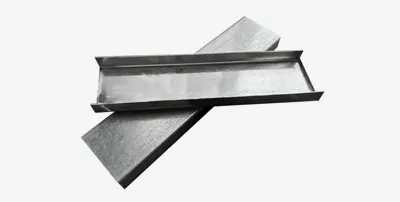
Metal studs are typically made from galvanized steel, offering several benefits over conventional wooden framing. Unlike wood, metal studs are less susceptible to warping, splitting, and insect damage. This inherent resilience makes them an attractive option for various building projects, including commercial spaces, residential homes, and industrial facilities.
Key Characteristics of Metal Studs
1. **Durability**: Metal studs are resistant to environmental factors, ensuring a longer lifespan for your structure.
2. **Fire Resistance**: Steel is non-combustible, which enhances safety in case of fire.
3. **Lightweight**: Despite being made of steel, metal studs are surprisingly lightweight, facilitating easier handling and transportation.
The Advantages of Metal Stud Framing
Choosing metal stud framing for your next project comes with a host of advantages that can significantly impact both construction and long-term satisfaction. Let’s delve into the top reasons why metal stud framing is a superior choice.
1. Cost-Effectiveness in Construction
While the initial investment in metal studs may be higher than wood, the long-term savings often outweigh the costs. Metal studs require less maintenance, reducing future expenses. Additionally, the lightweight nature of metal framing can lead to lower labor costs during installation due to faster project completion.
2. Enhanced Structural Integrity
Metal studs provide superior structural strength compared to wood. This strength allows for larger spans between studs, which can open up design possibilities and reduce the amount of material needed. Furthermore, metal framing can hold up against extreme weather conditions, ensuring that your building remains stable and safe.
3. Sustainability and Environmental Impact
In today’s eco-conscious world, sustainability is a critical consideration in construction. Metal studs are often made from recycled materials and can be recycled themselves at the end of their lifecycle. Choosing metal framing contributes to a more sustainable building practice, helping to reduce waste and environmental impact.
Recyclability of Metal Studs
Unlike wood, which may end up in landfills, metal studs can be recycled repeatedly without degradation in quality. This characteristic not only benefits the environment but can also contribute to green building certifications.
4. Resistance to Pests and Mold
One of the significant drawbacks of wood framing is its vulnerability to pests like termites, as well as mold and rot. Metal studs eliminate these concerns entirely, making them an ideal choice for environments prone to moisture or insect activity.
Installation Benefits of Metal Framing
The installation process of metal stud framing is streamlined and efficient, contributing to a faster project timeline.
1. Ease of Installation
Metal studs are designed for quick assembly, which can save valuable time on the job site. They come with pre-punched holes for electrical and plumbing runs, simplifying the installation of mechanical systems.
2. Lightweight and Easy to Handle
Compared to wood, metal studs are easier to transport and handle. This lightweight nature allows for quicker maneuvering and placement, reducing the physical strain on workers during the installation process.
Tools and Techniques for Installation
Using specific tools designed for metal framing, such as a screw gun or metal cutting saw, can enhance efficiency. Proper training in these techniques ensures that the framing is installed correctly, maximizing its structural benefits.
Design Flexibility with Metal Studs
Metal stud framing is not only practical but also offers remarkable design flexibility.
1. Versatile Design Options
Metal studs can accommodate various wall configurations, including curved and angled designs, allowing architects and designers to unleash their creativity. This versatility is particularly advantageous in commercial spaces where aesthetics play a crucial role.
2. Compatibility with Modern Building Materials
Metal framing pairs exceptionally well with contemporary building materials, such as drywall and insulation. This compatibility leads to better thermal performance and sound insulation, enhancing occupant comfort.
Addressing Common Misconceptions about Metal Stud Framing
Despite the many advantages of metal stud framing, some misconceptions persist.
1. Noise Concerns
One common myth is that metal studs create a noisy environment. In reality, proper insulation and soundproofing techniques can mitigate noise transmission, making metal stud framing an effective option for residential and commercial applications.
2. Aesthetic Limitations
Another misconception is that metal studs result in less visually appealing designs. In fact, metal framing can support a wide range of finishes, allowing for a polished and professional appearance.
FAQs about Metal Stud Framing
1. What are the typical uses for metal stud framing?
Metal stud framing is commonly used in commercial buildings, residential homes, and industrial facilities for interior and exterior walls, ceilings, and partitions.
2. Is metal stud framing more expensive than wood?
While the upfront cost may be higher, the long-term savings from reduced maintenance and durability often make metal framing more cost-effective overall.
3. Can metal studs support heavy loads?
Yes, metal studs are designed to bear substantial loads, especially when appropriately spaced and anchored.
4. How do metal studs perform in fire safety tests?
Metal studs are non-combustible and provide greater fire resistance compared to wood, enhancing overall building safety.
5. Are there any environmental benefits to using metal studs?
Definitely. Metal studs are often made from recycled content, and they can be recycled at the end of their life cycle, reducing waste and environmental impact.
Conclusion
In conclusion, choosing metal stud framing for your next project presents numerous benefits that can enhance the quality, safety, and sustainability of your building. With their unparalleled durability, resistance to pests and moisture, and design flexibility, metal studs are a forward-thinking choice in modern construction. As the construction industry continues to evolve, embracing metal stud framing can lead to innovative designs and long-lasting structures that meet the demands of today's architectural challenges. By investing in metal stud framing, you are not only ensuring the longevity of your project but also making a commitment to sustainability and contemporary design practices.
Other blogs
Unlocking the Benefits of Mineral Wool Acoustic Ceiling Tiles
Mineral wool acoustic ceiling tiles have emerged as a preferred choice in the construction and decoration materials industry, particularly for those looking to enhance acoustic performance and energy efficiency in various environments. These tiles, made from natural or recycled materials, are renowned for their sound absorption properties, making them perfect for spaces where noise control is esse
Film-Faced Mineral Wool Ceiling Tiles: Essential Choices for Contemporary Architectural Design
Film-Faced Mineral Wool Ceiling Tiles: Essential Choices for Contemporary Architectural Design Table of Contents 1. Introduction to Film-Faced Mineral Wool Ceiling Tiles 2. What Are Film-Faced Mineral Wool Ceiling Tiles? 3. Benefits of Using Film-Faced Mineral Wool Ceiling Tiles 3.1 Acoustic Properties for Enhanced Sound Control 3.2 Sup
Exploring the Benefits of Fiberglass Ceiling Tiles in Modern Architecture
Fiberglass ceiling tiles are an increasingly popular choice in the realm of construction and decorative materials, particularly for interior spaces. These tiles are made from a composite of glass fibers and resin, resulting in a lightweight yet durable product that offers numerous benefits for both residential and commercial applications. One of the primary advantages of fiberglass ceiling tiles i
Cost-Effective Solutions: Metal Stud Framing for Wall Partitions
Cost-Effective Solutions: Metal Stud Framing for Wall Partitions Table of Contents Introduction to Metal Stud Framing Benefits of Metal Stud Framing Understanding Cost-Effectiveness in Construction The Installation Process of Metal Stud Framing Design Flexibility and Aesthetic Appeal Sustainability and Environmental Impact Common Issues and Solutions in Metal Stud Fram
Mineral Wool Acoustic Ceiling Tiles provide a practical ceiling solution for modern buildings where acoustic comfort, fire performance, visual appearance, and installation efficiency all need to work together.
Understanding Ceiling T Grid: Essential Insights for Construction Professionals
Ceiling T Grid systems, also known as T-bar grids, are an essential component in the construction and renovation of commercial and residential spaces. These grids serve as a framework for suspended ceilings and are instrumental in supporting ceiling tiles, acoustic panels, and light fixtures, making them a vital aspect of modern construction design. Understanding the functionality and installation
Light Steel Keels: A Game Changer for the Construction Industry
Light Steel Keels: A Game Changer for the Construction Industry Table of Contents 1. Introduction to Light Steel Keels 2. The Advantages of Using Light Steel Keels 2.1 Durability and Strength 2.2 Cost-Effectiveness 2.3 Environmental Benefits 3. Applications of Light Steel Keels in Construction 3.1 Residential Buildings 3.2 Commercial Structures 3.3 Industrial Facilities 4. Comparing Light Steel Ke
The Essential Guide to Paper-Faced Gypsum Boards: Versatility in Construction and Decoration
Paper-faced gypsum board, commonly known as drywall or gypsum wallboard, plays a critical role in modern construction and interior design. This building material, composed of a gypsum core encased in a layer of paper, offers numerous advantages that make it a popular choice among builders, contractors, and interior decorators. One of the primary benefits of paper-faced gypsum boards is their ease