Looking for Custom Ceiling Solutions? Get a Free Quote Today!

-
ProductsMarketing & ServicesAfter-sales Service:
-
Marketing & ServicesAfter-sales Service:



Blog
Get ln Touch Today
Need Assistance? We're Here To Help!
Telephones
Light Steel Keels: The Eco-Friendly Choice for Sustainable Construction
Release time :
Dec 01,2025
Source :
Light Steel Keels: The Eco-Friendly Choice for Sustainable Construction Table of Contents Introduction to Light Steel Keels What Are Light Steel Keels? Benefits of Using Light Steel Keels in Construction Environmental Benefits Cost-Effectiveness and Durability Design Flexibility and Aesthetic Appeal Applications of Light Steel Keels in Construction Residential Buildings

Light Steel Keels: The Eco-Friendly Choice for Sustainable Construction
Table of Contents
- Introduction to Light Steel Keels
- What Are Light Steel Keels?
- Benefits of Using Light Steel Keels in Construction
- Applications of Light Steel Keels in Construction
- The Installation Process of Light Steel Keels
- Sustainability Initiatives in the Industry
- The Future of Light Steel Keels in Construction
- Conclusion
- Frequently Asked Questions
Introduction to Light Steel Keels
In today's construction industry, the demand for sustainable materials is at an all-time high. As builders and architects strive to reduce their carbon footprint and promote eco-friendly practices, **light steel keels** have emerged as a leading choice. With their unique properties and versatility, light steel keels are not only **environmentally friendly** but also provide a myriad of benefits that enhance the construction process. This article explores what light steel keels are, their benefits, applications, installation processes, and their promising future in the construction industry.
What Are Light Steel Keels?
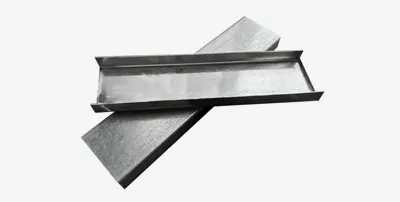
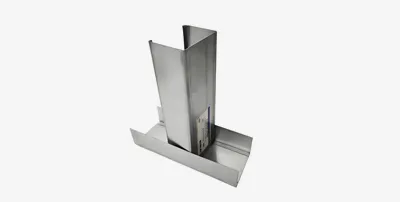
Light steel keels are structural elements used to support various types of construction. Made from high-quality steel, they are characterized by their lightweight nature yet maintain impressive strength and resilience. These keels are typically used as a framework for walls, roofs, and floors in various construction projects.
Unlike traditional building materials, light steel keels offer **superior load-bearing capabilities** while being significantly lighter. This unique combination allows for quicker assembly and installation, making them a favored option for modern construction methods, including modular and prefabricated building techniques.
Benefits of Using Light Steel Keels in Construction
The benefits of incorporating light steel keels in construction go beyond their basic functionality. Below, we delve into the various advantages of using these structures, categorized into key areas.
Environmental Benefits
Light steel keels contribute to a more sustainable construction approach in several ways:
1. **Recyclability**: Steel is one of the most recycled materials globally. At the end of their life cycle, light steel keels can be fully recycled without losing their strength or integrity. This significantly reduces waste in landfills and promotes a circular economy.
2. **Reduced Resource Consumption**: Utilizing light steel reduces the amount of raw material needed in construction. With rising concerns about resource depletion, this is an important factor for environmentally conscious builders.
3. **Energy Efficiency**: Buildings constructed with light steel keels can be designed to enhance energy efficiency. This not only minimizes energy consumption during use but also reduces the overall carbon footprint associated with the construction process.
Cost-Effectiveness and Durability
Light steel keels offer excellent cost-effectiveness due to their durability and low maintenance requirements:
1. **Longevity**: Steel is resistant to various environmental factors, including pests, mold, and rot. As a result, buildings featuring light steel keels have a longer lifespan, which translates into cost savings over time.
2. **Faster Construction Times**: The lightweight nature of steel keels allows for quicker assembly on-site, reducing labor costs and time. This is particularly beneficial in projects with tight deadlines.
3. **Minimal Maintenance**: Unlike traditional materials that require regular maintenance, steel keels require minimal upkeep, further optimizing long-term costs.
Design Flexibility and Aesthetic Appeal
The versatility of light steel keels extends to design and aesthetics:
1. **Architectural Freedom**: Light steel keels allow architects to create innovative designs that were previously difficult or impossible to achieve with traditional materials. Their strength-to-weight ratio enables larger spans and open floor plans.
2. **Customizable**: Steel keels can be manufactured to various specifications, allowing for customization according to the specific needs of a project. This adaptability makes them suitable for a wide range of architectural styles.
3. **Modern Appeal**: The clean lines and sleek look of steel can enhance the overall aesthetic of a building, making it visually appealing to modern sensibilities.
Applications of Light Steel Keels in Construction
Light steel keels have found a broad range of applications within the construction industry. Below are some of the most prominent uses.
Residential Buildings
In residential construction, light steel keels are often used in framing systems. They provide a robust framework for houses and apartments, ensuring structural integrity while allowing for design flexibility. Their lightweight nature facilitates easier handling and quicker assembly, making them an ideal choice for residential projects.
Commercial Structures
Light steel keels are also popular in commercial applications, including office buildings, retail spaces, and hospitality venues. Their ability to span large distances without the need for extensive support enables open floor plans, which are highly sought after in modern commercial design.
Industrial Applications
In industrial settings, light steel keels are commonly used in warehouses and manufacturing facilities. Their strength and durability make them suitable for supporting heavy loads and equipment, while the quick installation process allows for rapid deployment in expanding industrial operations.
The Installation Process of Light Steel Keels
The installation of light steel keels is a streamlined process that emphasizes efficiency and accuracy. Typically, the steps include:
1. **Site Preparation**: Before installation, the construction site must be prepared and leveled to ensure a solid foundation.
2. **Framework Assembly**: The steel keels are assembled off-site or on-site, depending on the project requirements. This can be done using prefabricated panels for added convenience.
3. **Securing the Keels**: Once assembled, the keels are secured to the foundation and interconnected to form the structural framework of the building.
4. **Finishing Touches**: After installation, the framework can be covered with various materials (e.g., drywall, insulation) to complete the construction.
This efficient installation process reduces labor costs and accelerates project timelines, making light steel keels an attractive option for builders.
Sustainability Initiatives in the Industry
The construction industry is increasingly adopting sustainability initiatives to combat climate change and promote eco-friendly practices. The use of light steel keels aligns with these initiatives, as many manufacturers are committed to sustainable sourcing, energy-efficient production processes, and minimizing carbon emissions.
Moreover, organizations are advocating for green building certifications, such as LEED (Leadership in Energy and Environmental Design), where the use of recycled materials, including light steel, can contribute to achieving certification points. This fosters a culture of sustainability within the industry.
The Future of Light Steel Keels in Construction
As the construction industry continues to innovate, the future of light steel keels looks promising. Advancements in technology and manufacturing processes will likely enhance the performance and efficiency of light steel keels, leading to even greater adoption.
The growing emphasis on sustainable building practices will further solidify light steel keels as a preferred choice among architects and builders. With their eco-friendly benefits and versatility, light steel keels are poised to play a pivotal role in shaping the future of construction.
Conclusion
Light steel keels represent a transformative approach to sustainable construction, combining strength, versatility, and eco-friendliness. Their numerous benefits, including recyclability, cost-effectiveness, and design flexibility, make them an attractive option for a variety of building applications. As the industry shifts towards more sustainable practices, light steel keels will undoubtedly remain at the forefront, helping to create structures that are not only functional but also environmentally conscious.
Frequently Asked Questions
1. What are light steel keels used for in construction?
Light steel keels are primarily used as structural elements in walls, roofs, and floors, providing support and stability in various types of buildings.
2. Are light steel keels eco-friendly?
Yes, light steel keels are eco-friendly due to their recyclability, reduced resource consumption, and contribution to energy-efficient building practices.
3. How do light steel keels compare to traditional materials?
Light steel keels are lighter, stronger, and more durable than many traditional materials. They also offer quicker installation times and lower maintenance costs.
4. Can light steel keels be customized for different projects?
Absolutely! Light steel keels can be manufactured to various specifications, allowing for customization based on the needs of specific construction projects.
5. What is the installation process for light steel keels?
The installation process typically involves site preparation, framework assembly, securing the keels to the foundation, and adding finishing touches to complete the structure.
Other blogs
Fiberglass Ceiling Tiles: Your Ultimate Solution for Effective Soundproofing
Fiberglass Ceiling Tiles: Your Go-To for Soundproofing Table of Contents 1. Introduction to Fiberglass Ceiling Tiles 2. What Are Fiberglass Ceiling Tiles? 3. Benefits of Using Fiberglass Ceiling Tiles for Soundproofing 4. How Do Fiberglass Ceiling Tiles Work for Soundproofing? 5. Installation Process of Fiberglass Ceiling Tiles 6. Maintenance Tips for Fiberglass Ceiling Ti
Understanding Metal Stud Framing for Wall Partitions: A Comprehensive Guide
Metal stud framing is becoming an increasingly popular choice for wall partitions in construction and interior design, offering a range of benefits that traditional wood framing simply cannot match. This comprehensive guide will delve into the key aspects of metal stud framing, emphasizing its importance in creating durable, efficient, and versatile wall systems. One of the primary advantages of m
Enhancing Your Office Aesthetics with Ceiling T Grid Installations
Enhancing Your Office Aesthetics with Ceiling T Grid Installations Table of Contents 1. Understanding Ceiling T Grid Systems 2. Benefits of Ceiling T Grid Installations for Office Spaces 3. Types of Ceiling T Grid Materials 4. Design Options for Ceiling T Grid Installations 5. The Installation Process of Ceiling T Grids 6. Maintenance Tips for Ceiling T Grid Systems 7.
Understanding Light Steel Keel: A Modern Solution in Construction
--- Light Steel Keel has emerged as a prominent choice in contemporary construction and decoration sectors due to its unique properties and benefits. This building material, primarily composed of cold-formed steel, offers exceptional strength-to-weight ratios, making it a versatile option for a variety of applications. One of the significant advantages of Light Steel Keel is its lightweight nature
Step-by-Step Guide to Repairing and Maintaining Your Paper-Faced Gypsum Board Walls
Step-by-Step Guide to Repairing and Maintaining Your Paper-Faced Gypsum Board Walls Paper-faced gypsum board walls, commonly known as drywall, are widely used in residential and commercial buildings due to their versatility, ease of installation, and cost-effectiveness. However, these walls can suffer from damage over time, whether from impact, moisture, or normal wear and tear. Maintaining and re
Understanding Calcium Silicate Ceiling Boards: Properties, Benefits, and Applications
Calcium Silicate Ceiling Boards are an innovative building material extensively used in the construction and decoration industry. These boards are primarily composed of calcium silicate hydrate, making them highly versatile for various applications. One of the key benefits of using Calcium Silicate Ceiling Boards is their excellent thermal insulation properties. They effectively minimize heat tran
What to Consider Before Installing Sand Texture Mineral Fiber Ceiling Tiles: A Comprehensive Guide
What to Consider Before Installing Sand Texture Mineral Fiber Ceiling Tiles When it comes to ceiling design, **sand texture mineral fiber ceiling tiles** offer a unique blend of aesthetics and functionality. They are increasingly becoming a favorite among homeowners and commercial property managers alike due to their versatility and acoustic benefits. However, before diving into the installation p
Unlocking the Benefits of Mineral Wool Acoustic Ceiling Tiles
Mineral wool acoustic ceiling tiles have emerged as a preferred choice in the construction and decoration materials industry, particularly for those looking to enhance acoustic performance and energy efficiency in various environments. These tiles, made from natural or recycled materials, are renowned for their sound absorption properties, making them perfect for spaces where noise control is esse