Looking for Custom Ceiling Solutions? Get a Free Quote Today!

-
ProductsMarketing & ServicesAfter-sales Service:
-
Marketing & ServicesAfter-sales Service:

Blog
Get ln Touch Today
Need Assistance? We're Here To Help!
Telephones
Enhancing Acoustics: The Role of Sand Texture Mineral Fiber Ceiling Tiles
Release time :
Dec 07,2025
Source :
Enhancing Acoustics: The Role of Sand Texture Mineral Fiber Ceiling Tiles Table of Contents Introduction to Acoustics and Ceiling Tiles What Are Sand Texture Mineral Fiber Ceiling Tiles? Benefits of Sand Texture Mineral Fiber Ceiling Tiles Acoustic Qualities of Sand Texture Ceiling Tiles Design and Aesthetic Options Installation Techniques for Optimal Performance Maint

Enhancing Acoustics: The Role of Sand Texture Mineral Fiber Ceiling Tiles
Table of Contents
- Introduction to Acoustics and Ceiling Tiles
- What Are Sand Texture Mineral Fiber Ceiling Tiles?
- Benefits of Sand Texture Mineral Fiber Ceiling Tiles
- Acoustic Qualities of Sand Texture Ceiling Tiles
- Design and Aesthetic Options
- Installation Techniques for Optimal Performance
- Maintenance and Cleaning of Ceiling Tiles
- Cost Considerations for Sand Texture Ceiling Tiles
- Frequently Asked Questions
- Conclusion
Introduction to Acoustics and Ceiling Tiles
Acoustics play a pivotal role in the functionality of any environment, whether it's residential, commercial, or industrial. The quality of sound in a space affects communication, comfort, and productivity. **Sand texture mineral fiber ceiling tiles** are an innovative solution designed to enhance sound quality by absorbing unwanted noise and improving overall acoustics. This article delves into how these ceiling tiles work, their benefits, and why they are a preferred choice for many architects and builders.
What Are Sand Texture Mineral Fiber Ceiling Tiles?
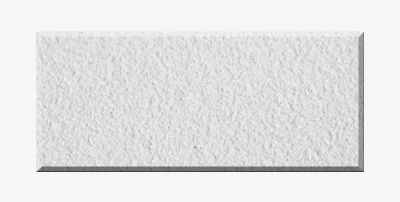
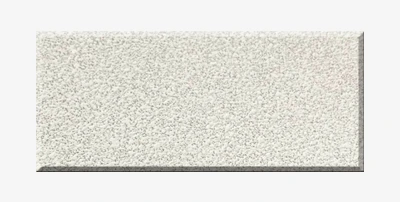
**Sand texture mineral fiber ceiling tiles** are composed of natural and synthetic fibers, primarily mineral-based materials. These tiles are designed with a unique sand-like texture that not only provides an aesthetically pleasing finish but also contributes significantly to sound absorption.
The mineral fiber composition allows these tiles to be lightweight yet durable, making them suitable for various applications. They can be used in commercial office spaces, schools, hospitals, and even residential homes. The textured surface of these tiles enhances their ability to diffuse sound waves, thereby providing a quieter and more serene environment.
Benefits of Sand Texture Mineral Fiber Ceiling Tiles
Investing in sand texture mineral fiber ceiling tiles offers numerous advantages:
1. Superior Sound Absorption
One of the primary benefits of **sand texture mineral fiber ceiling tiles** is their sound absorption capabilities. They are engineered to reduce noise levels by capturing sound waves, preventing them from bouncing off hard surfaces. This feature creates a more peaceful atmosphere, enhancing focus and productivity.
2. Aesthetic Versatility
These ceiling tiles come in various textures and finishes, allowing flexibility in design. Whether you prefer a modern, sleek look or a more traditional style, sand texture mineral fiber ceiling tiles can seamlessly integrate into any aesthetic.
3. Easy Installation
The lightweight nature of mineral fiber ceiling tiles simplifies the installation process. They can be suspended from a grid system or directly attached to existing ceilings, making them an ideal choice for renovation projects.
4. Cost-Effectiveness
Compared to other acoustic solutions, sand texture mineral fiber ceiling tiles are a cost-effective choice. They provide excellent acoustic performance without breaking the bank, making them accessible for various budgets.
5. Environmental Sustainability
Many manufacturers use recycled materials in the production of mineral fiber ceiling tiles. This focus on sustainability helps reduce environmental impact while providing a functional product.
Acoustic Qualities of Sand Texture Ceiling Tiles
Understanding the acoustic qualities of sand texture mineral fiber ceiling tiles is crucial for anyone looking to improve sound performance in a space.
1. Noise Reduction Coefficient (NRC)
The Noise Reduction Coefficient (NRC) is a critical metric that indicates how well a material can absorb sound. Sand texture mineral fiber ceiling tiles typically have an NRC rating between 0.75 and 0.95, meaning they absorb a significant portion of sound energy, making them highly effective in controlling noise levels.
2. Sound Transmission Class (STC)
The Sound Transmission Class (STC) measures how well a material can prevent sound from passing through it. While mineral fiber ceiling tiles are primarily designed for sound absorption, their composition also contributes to STC ratings, ensuring that sound does not easily travel from one space to another.
3. Sound Diffusion
The textured surface of sand texture mineral fiber ceiling tiles aids in sound diffusion. This means that instead of echoing, sound waves are scattered throughout the room, minimizing sharp reflections and creating a more balanced auditory experience.
Design and Aesthetic Options
When it comes to aesthetics, sand texture mineral fiber ceiling tiles offer a wide range of options to fit any interior design scheme.
1. Textures and Patterns
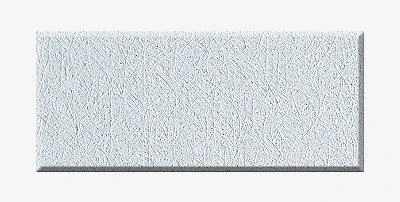
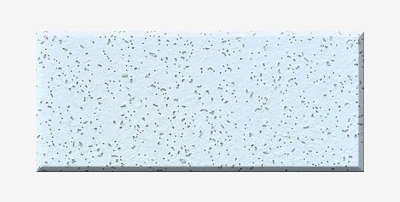
These tiles are available in various textures, from smooth finishes to intricate patterns that resemble sand. This variety allows designers to experiment with different looks and feels, enhancing the overall ambiance of a space.
2. Color Choices
Sand texture mineral fiber ceiling tiles come in an array of colors, making it easy to coordinate with existing decor. Neutral tones are popular for creating a calming environment, while bolder colors can make a striking statement.
3. Integration with Lighting
The design of these ceiling tiles can be complemented with various lighting options, such as recessed lights or pendant fixtures. The combination of texture and light can elevate the visual appeal of a room, creating a sophisticated atmosphere.
Installation Techniques for Optimal Performance
Proper installation is essential for maximizing the acoustic benefits of sand texture mineral fiber ceiling tiles. Here are some key techniques:
1. Grid System Installation
Using a suspended grid system allows for easy installation and removal of tiles. This method is particularly useful in commercial settings where access to plumbing and electrical systems above the ceiling is required.
2. Direct Adhesive Installation
For residential applications, tiles can be directly adhered to existing ceilings. This method is often quicker and more cost-effective, though it requires a clean and smooth surface for optimal adhesion.
3. Ensuring Proper Fit
Tiles should be appropriately sized and fitted to prevent gaps. Any spaces can lead to noise leakage, negating their acoustic benefits.
Maintenance and Cleaning of Ceiling Tiles
Maintaining sand texture mineral fiber ceiling tiles is straightforward, ensuring they remain effective over time.
1. Regular Dusting
Dust can accumulate on ceiling tiles, affecting both appearance and acoustic performance. Regular dusting with a soft cloth or vacuum attachment can keep tiles looking fresh.
2. Spot Cleaning
For stains or marks, a damp cloth and mild soap can be used for spot cleaning. Avoid harsh chemicals that could damage the tile's texture or finish.
Cost Considerations for Sand Texture Ceiling Tiles
When budgeting for the installation of sand texture mineral fiber ceiling tiles, there are several factors to consider:
1. Material Costs
The price of mineral fiber ceiling tiles can vary based on brand, quality, and design. On average, costs range from $1 to $4 per square foot.
2. Installation Costs
Installation costs depend on the complexity of the project and the chosen installation method. Hiring a professional can add to the overall expense, whereas DIY approaches might save money.
3. Long-Term Investment
While initial costs are a consideration, the long-term benefits, including improved acoustics and increased property value, make sand texture mineral fiber ceiling tiles a worthwhile investment.
Frequently Asked Questions
What are the main benefits of using mineral fiber ceiling tiles?
Mineral fiber ceiling tiles offer superior sound absorption, aesthetic versatility, easy installation, cost-effectiveness, and environmental sustainability.
Are sand texture ceiling tiles suitable for residential use?
Yes, sand texture mineral fiber ceiling tiles are ideal for both residential and commercial applications, providing aesthetic appeal and acoustic benefits.
How do I install sand texture ceiling tiles?
Installation can be done using a suspended grid system or by directly adhering the tiles to the ceiling, depending on your preference and requirements.
What maintenance do sand texture ceiling tiles require?
Regular dusting and occasional spot cleaning with mild soap are typically sufficient to maintain the appearance and acoustic performance of the tiles.
How do I choose the right acoustic ceiling tiles for my space?
Consider factors such as the desired NRC rating, the aesthetic quality, and the specific acoustic needs of the environment when selecting ceiling tiles.
Conclusion
**Sand texture mineral fiber ceiling tiles** are an exceptional choice for enhancing acoustics in a variety of settings. Their ability to absorb sound, coupled with aesthetic versatility and ease of installation, makes them a preferred option for architects, builders, and homeowners alike. By understanding their benefits, installation methods, and maintenance needs, you can create a harmonious environment that promotes productivity and comfort. Whether you're renovating a commercial space or designing a quiet home office, these ceiling tiles can significantly improve the auditory experience, making a lasting impact on the quality of life in any space.
Other blogs
Fiberglass Ceiling Tiles: Your Ultimate Solution for Effective Soundproofing
Fiberglass Ceiling Tiles: Your Go-To for Soundproofing Table of Contents 1. Introduction to Fiberglass Ceiling Tiles 2. What Are Fiberglass Ceiling Tiles? 3. Benefits of Using Fiberglass Ceiling Tiles for Soundproofing 4. How Do Fiberglass Ceiling Tiles Work for Soundproofing? 5. Installation Process of Fiberglass Ceiling Tiles 6. Maintenance Tips for Fiberglass Ceiling Ti
Understanding Metal Stud Framing for Wall Partitions: A Comprehensive Guide
Metal stud framing is becoming an increasingly popular choice for wall partitions in construction and interior design, offering a range of benefits that traditional wood framing simply cannot match. This comprehensive guide will delve into the key aspects of metal stud framing, emphasizing its importance in creating durable, efficient, and versatile wall systems. One of the primary advantages of m
Enhancing Your Office Aesthetics with Ceiling T Grid Installations
Enhancing Your Office Aesthetics with Ceiling T Grid Installations Table of Contents 1. Understanding Ceiling T Grid Systems 2. Benefits of Ceiling T Grid Installations for Office Spaces 3. Types of Ceiling T Grid Materials 4. Design Options for Ceiling T Grid Installations 5. The Installation Process of Ceiling T Grids 6. Maintenance Tips for Ceiling T Grid Systems 7.
Understanding Light Steel Keel: A Modern Solution in Construction
--- Light Steel Keel has emerged as a prominent choice in contemporary construction and decoration sectors due to its unique properties and benefits. This building material, primarily composed of cold-formed steel, offers exceptional strength-to-weight ratios, making it a versatile option for a variety of applications. One of the significant advantages of Light Steel Keel is its lightweight nature
Step-by-Step Guide to Repairing and Maintaining Your Paper-Faced Gypsum Board Walls
Step-by-Step Guide to Repairing and Maintaining Your Paper-Faced Gypsum Board Walls Paper-faced gypsum board walls, commonly known as drywall, are widely used in residential and commercial buildings due to their versatility, ease of installation, and cost-effectiveness. However, these walls can suffer from damage over time, whether from impact, moisture, or normal wear and tear. Maintaining and re
Understanding Calcium Silicate Ceiling Boards: Properties, Benefits, and Applications
Calcium Silicate Ceiling Boards are an innovative building material extensively used in the construction and decoration industry. These boards are primarily composed of calcium silicate hydrate, making them highly versatile for various applications. One of the key benefits of using Calcium Silicate Ceiling Boards is their excellent thermal insulation properties. They effectively minimize heat tran
What to Consider Before Installing Sand Texture Mineral Fiber Ceiling Tiles: A Comprehensive Guide
What to Consider Before Installing Sand Texture Mineral Fiber Ceiling Tiles When it comes to ceiling design, **sand texture mineral fiber ceiling tiles** offer a unique blend of aesthetics and functionality. They are increasingly becoming a favorite among homeowners and commercial property managers alike due to their versatility and acoustic benefits. However, before diving into the installation p
Unlocking the Benefits of Mineral Wool Acoustic Ceiling Tiles
Mineral wool acoustic ceiling tiles have emerged as a preferred choice in the construction and decoration materials industry, particularly for those looking to enhance acoustic performance and energy efficiency in various environments. These tiles, made from natural or recycled materials, are renowned for their sound absorption properties, making them perfect for spaces where noise control is esse