Looking for Custom Ceiling Solutions? Get a Free Quote Today!

-
ProductsMarketing & ServicesAfter-sales Service:
-
Marketing & ServicesAfter-sales Service:

Blog
Get ln Touch Today
Need Assistance? We're Here To Help!
Telephones
Metal Stud Framing vs. Traditional Wood: Which is Better for Wall Partitions?
Release time :
Feb 24,2026
Source :
Metal Stud Framing vs. Traditional Wood: Which is Better for Wall Partitions? Table of Contents Introduction Understanding Framing Materials Advantages of Metal Stud Framing Disadvantages of Metal Stud Framing Advantages of Traditional Wood Framing Disadvantages of Traditional Wood Framing Cost Considerations Environmental Impact Applications and Uses Final

Metal Stud Framing vs. Traditional Wood: Which is Better for Wall Partitions?
Table of Contents
- Introduction
- Understanding Framing Materials
- Advantages of Metal Stud Framing
- Disadvantages of Metal Stud Framing
- Advantages of Traditional Wood Framing
- Disadvantages of Traditional Wood Framing
- Cost Considerations
- Environmental Impact
- Applications and Uses
- Final Considerations
- FAQs
Introduction
In the construction and decoration industry, choosing the right material for wall partitions is crucial, as it can significantly impact structural integrity, aesthetics, and cost-effectiveness. **Metal stud framing** and **traditional wood** framing are two popular choices, each with its own set of benefits and drawbacks. In this article, we will provide an in-depth comparison of these two methods, helping you determine which is better suited for your needs.
Understanding Framing Materials
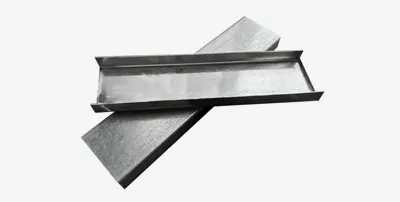
Framing materials serve as the backbone for any construction project, providing support and shape to structures. Metal studs, typically made of galvanized steel, offer strength and durability, while traditional wood framing utilizes timber, which is often readily available and easier to work with. Understanding the characteristics of these materials is essential to making a well-informed decision.
Advantages of Metal Stud Framing
Metal stud framing comes with a plethora of benefits that make it an attractive option for wall partitions.
1. Durability and Strength
Metal studs are resistant to warping, cracking, and splitting, unlike wood, which can suffer from moisture damage and pest infestations. This durability ensures a longer lifespan for your partitions.
2. Fire Resistance
Metal studs are non-combustible, providing an added layer of safety in the event of a fire. This feature is especially important in commercial buildings and multi-family units where fire codes are stringent.
3. Lightweight and Easy to Handle
Despite their strength, metal studs are surprisingly lightweight, making them easier to transport and install. This can lead to reduced labor costs and quicker project timelines.
4. Straightness and Uniformity
Metal studs are manufactured to precise specifications, resulting in a uniform product that guarantees straight walls. This precision minimizes the need for adjustments during the installation process.
Disadvantages of Metal Stud Framing
While there are many advantages, metal stud framing also has its drawbacks.
1. Higher Initial Costs
Although metal studs can save money in the long run, they typically come with higher upfront costs compared to wood. This can deter some builders from choosing this option.
2. Specialized Tools and Skills Required
Installing metal studs requires specific tools and skills that may not be available to all contractors. This can add to the overall project cost if you need to hire specialized labor.
3. Conductivity Concerns
Being made of metal, these studs can conduct electricity and heat, which requires additional planning for electrical installations and insulation.
Advantages of Traditional Wood Framing
Traditional wood framing has been a go-to choice for many builders for generations, and it comes with its own set of benefits.
1. Cost-Effectiveness
Wood is generally less expensive than metal, making it an attractive option for budget-conscious projects. Its availability and lower prices often make it the default choice for many builders.
2. Ease of Installation
Wood framing is easier to cut and shape, requiring less specialized equipment than metal studs. This can lead to quicker installation times and lower labor costs.
3. Aesthetic Appeal
Wood offers a natural aesthetic that many find appealing. It can be left exposed for a rustic look or easily painted or stained to match interior designs.
Disadvantages of Traditional Wood Framing
Despite its advantages, traditional wood framing also has some significant downsides.
1. Susceptibility to Damage
Wood is prone to damage from moisture, pests, and fire. This susceptibility can lead to higher maintenance costs over time.
2. Limited Lifespan
Compared to metal studs, the lifespan of wood framing may be shorter due to its vulnerability to environmental factors.
3. Environmental Concerns
The production of wood framing can lead to deforestation and negatively impact the environment. Sustainable sourcing can mitigate this, but it's important to consider the overall ecological footprint.
Cost Considerations
When evaluating metal stud framing versus traditional wood framing, cost is often a major determining factor.
1. Initial Costs vs. Long-Term Savings
While metal studs may have a higher initial cost, their durability and lower maintenance needs can lead to savings in the long run. Conversely, wood may save you money upfront but could incur higher costs related to repairs and replacements.
2. Labor Costs
Labor costs can vary significantly between the two materials. While wood is generally easier and faster to install, the need for specialized skills for metal studs may lead to higher labor expenses.
Environmental Impact
In today's eco-conscious society, the environmental impact of building materials cannot be overlooked.
1. Sustainability of Materials
Wood is a renewable resource, but it must be sourced sustainably to minimize its environmental impact. On the other hand, metal is recyclable, which can be a significant advantage if the studs are repurposed at the end of their life cycle.
2. Energy Consumption in Production
The manufacturing process for metal studs involves significant energy consumption, which can contribute to a larger carbon footprint compared to sustainably sourced wood.
Applications and Uses
Both metal and wood framing have specific applications where they shine.
1. Commercial vs. Residential Use
Metal stud framing is often favored in commercial construction due to its fire resistance and durability, while wood framing remains popular for residential projects due to its aesthetic appeal and cost-effectiveness.
2. Specialized Applications
For specialized applications such as soundproofing or high-moisture environments, metal studs may be the better choice due to their performance characteristics.
Final Considerations
Choosing between metal stud framing and traditional wood framing ultimately depends on the specific needs of your project. Factors such as budget, project scope, and desired aesthetics should all weigh heavily in your decision-making process.
In summary, if you're looking for durability, fire resistance, and long-term savings, metal stud framing may be the better choice. Conversely, if cost, ease of installation, and aesthetic appeal are your priorities, traditional wood framing could be the way to go.
FAQs
1. Are metal studs cheaper than wood?
Metal studs generally have a higher initial cost than wood, but their durability can lead to long-term savings on maintenance and repairs.
2. Can metal studs be used in residential construction?
Yes, metal studs can be used in residential construction, especially in areas where fire resistance and durability are important.
3. How do metal and wood framing compare in terms of weight?
Metal studs are lighter than traditional wood, which can ease transportation and installation.
4. Do metal studs conduct electricity?
Yes, metal studs can conduct electricity, which requires careful planning during electrical installations.
5. Is wood framing environmentally sustainable?
Wood can be sustainable if sourced from certified forests. However, it’s essential to consider the ecological impact of deforestation.
Conclusion
In the debate of **metal stud framing vs. traditional wood**, each option presents unique advantages and disadvantages. By understanding the specific needs of your project, you can make an informed choice that best aligns with your goals, budget, and environmental considerations. Whether you prioritize durability, cost, or aesthetic appeal, both metal and wood have a place in modern construction. Make sure to weigh all factors carefully before embarking on your next building endeavor.
Other blogs
Fiberglass Ceiling Tiles: Your Ultimate Solution for Effective Soundproofing
Fiberglass Ceiling Tiles: Your Go-To for Soundproofing Table of Contents 1. Introduction to Fiberglass Ceiling Tiles 2. What Are Fiberglass Ceiling Tiles? 3. Benefits of Using Fiberglass Ceiling Tiles for Soundproofing 4. How Do Fiberglass Ceiling Tiles Work for Soundproofing? 5. Installation Process of Fiberglass Ceiling Tiles 6. Maintenance Tips for Fiberglass Ceiling Ti
Understanding Metal Stud Framing for Wall Partitions: A Comprehensive Guide
Metal stud framing is becoming an increasingly popular choice for wall partitions in construction and interior design, offering a range of benefits that traditional wood framing simply cannot match. This comprehensive guide will delve into the key aspects of metal stud framing, emphasizing its importance in creating durable, efficient, and versatile wall systems. One of the primary advantages of m
Enhancing Your Office Aesthetics with Ceiling T Grid Installations
Enhancing Your Office Aesthetics with Ceiling T Grid Installations Table of Contents 1. Understanding Ceiling T Grid Systems 2. Benefits of Ceiling T Grid Installations for Office Spaces 3. Types of Ceiling T Grid Materials 4. Design Options for Ceiling T Grid Installations 5. The Installation Process of Ceiling T Grids 6. Maintenance Tips for Ceiling T Grid Systems 7.
Understanding Light Steel Keel: A Modern Solution in Construction
--- Light Steel Keel has emerged as a prominent choice in contemporary construction and decoration sectors due to its unique properties and benefits. This building material, primarily composed of cold-formed steel, offers exceptional strength-to-weight ratios, making it a versatile option for a variety of applications. One of the significant advantages of Light Steel Keel is its lightweight nature
Step-by-Step Guide to Repairing and Maintaining Your Paper-Faced Gypsum Board Walls
Step-by-Step Guide to Repairing and Maintaining Your Paper-Faced Gypsum Board Walls Paper-faced gypsum board walls, commonly known as drywall, are widely used in residential and commercial buildings due to their versatility, ease of installation, and cost-effectiveness. However, these walls can suffer from damage over time, whether from impact, moisture, or normal wear and tear. Maintaining and re
Understanding Calcium Silicate Ceiling Boards: Properties, Benefits, and Applications
Calcium Silicate Ceiling Boards are an innovative building material extensively used in the construction and decoration industry. These boards are primarily composed of calcium silicate hydrate, making them highly versatile for various applications. One of the key benefits of using Calcium Silicate Ceiling Boards is their excellent thermal insulation properties. They effectively minimize heat tran
What to Consider Before Installing Sand Texture Mineral Fiber Ceiling Tiles: A Comprehensive Guide
What to Consider Before Installing Sand Texture Mineral Fiber Ceiling Tiles When it comes to ceiling design, **sand texture mineral fiber ceiling tiles** offer a unique blend of aesthetics and functionality. They are increasingly becoming a favorite among homeowners and commercial property managers alike due to their versatility and acoustic benefits. However, before diving into the installation p
Unlocking the Benefits of Mineral Wool Acoustic Ceiling Tiles
Mineral wool acoustic ceiling tiles have emerged as a preferred choice in the construction and decoration materials industry, particularly for those looking to enhance acoustic performance and energy efficiency in various environments. These tiles, made from natural or recycled materials, are renowned for their sound absorption properties, making them perfect for spaces where noise control is esse