Looking for Custom Ceiling Solutions? Get a Free Quote Today!

-
ProductsMarketing & ServicesAfter-sales Service:
-
Marketing & ServicesAfter-sales Service:

Blog
Get ln Touch Today
Need Assistance? We're Here To Help!
Telephones
Unlocking the Potential of Metal Stud Framing for Modern Wall Partitions
Release time :
Apr 01,2026
Source :
Unlocking the Potential of Metal Stud Framing for Modern Wall Partitions Table of Contents 1. Introduction to Metal Stud Framing 2. The Benefits of Metal Stud Framing 3. Applications of Metal Stud Framing in Construction 4. Installation Techniques for Metal Stud Framing 5. Designing with Metal Studs: Tips and Tricks 6. Metal Studs vs. Traditional Wood Framing 7. The

Unlocking the Potential of Metal Stud Framing for Modern Wall Partitions
Table of Contents
- 1. Introduction to Metal Stud Framing
- 2. The Benefits of Metal Stud Framing
- 3. Applications of Metal Stud Framing in Construction
- 4. Installation Techniques for Metal Stud Framing
- 5. Designing with Metal Studs: Tips and Tricks
- 6. Metal Studs vs. Traditional Wood Framing
- 7. The Environmental Impact of Metal Stud Framing
- 8. Frequently Asked Questions about Metal Stud Framing
- 9. Conclusion
1. Introduction to Metal Stud Framing
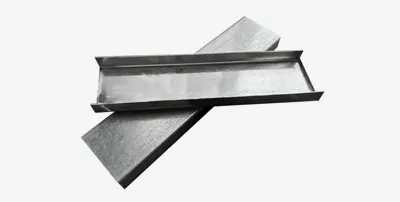
Metal stud framing has emerged as a key player in the construction industry, particularly for modern wall partitions. Offering significant advantages over traditional materials, metal studs are becoming the go-to choice for architects, builders, and contractors. Their inherent qualities, such as strength, durability, and resistance to environmental challenges, make them ideal for a variety of applications.
In this article, we will delve deep into the potential of metal stud framing, exploring its numerous benefits, applications, and installation techniques. Whether you're working on a commercial project or a residential renovation, understanding how to effectively utilize metal studs can elevate your construction projects to new heights.
2. The Benefits of Metal Stud Framing
Metal stud framing provides a plethora of advantages that can greatly enhance the efficiency and effectiveness of construction projects. Below are some of the key benefits:
2.1 Durability and Strength
Metal studs are known for their **exceptional strength**, capable of withstanding significant loads and resisting warping, cracking, and splitting. Unlike wood, metal remains stable under varying humidity and temperature conditions, ensuring that your walls remain straight and true over time.
2.2 Fire Resistance
In commercial and residential settings, safety is paramount. Metal studs offer superior fire resistance compared to traditional wood framing. The non-combustible nature of metal significantly reduces the risk of fire and gives occupants more time to evacuate in case of an emergency.
2.3 Cost-Effectiveness
Although the initial cost of metal studs may be higher than wood, the long-term savings outweigh upfront expenses. Metal studs are lightweight, resulting in lower shipping costs and reduced labor time during installation. They also require less maintenance over their lifespan, ultimately saving money on repair and replacement.
2.4 Eco-Friendliness
Sustainability is a growing concern in the construction industry. Metal framing is often made from recycled materials and is fully recyclable at the end of its life cycle. Choosing metal studs can contribute to a more sustainable building project.
2.5 Versatility
Metal studs can be easily adapted to suit any design requirement. They come in various sizes and lengths, allowing for flexibility in both residential and commercial projects. Their lightweight nature enables easier handling and installation, reducing labor costs.
3. Applications of Metal Stud Framing in Construction
Metal stud framing can be utilized in a wide array of applications, making it a versatile option for construction professionals. Here are some common uses:
3.1 Interior Wall Partitions
One of the most prevalent applications of metal studs is for interior wall partitions. Their strength and durability make them ideal for creating non-load-bearing walls in offices, retail spaces, and schools.
3.2 Ceilings
Metal stud framing is also used in ceiling systems. The lightweight nature of metal studs allows for the construction of **drop ceilings** that can accommodate various building services, such as electrical and HVAC systems.
3.3 Exterior Walls
While less common than wood framing, metal studs can be employed for exterior walls in specific applications, particularly in commercial buildings. Their resistance to moisture and pests is a significant advantage in such settings.
3.4 Retrofit and Renovation Projects
For retrofit and renovation projects, metal stud framing can be an excellent choice for updating existing spaces. Its lightweight properties make it easier to modify or add new partitions without compromising the structural integrity of the building.
4. Installation Techniques for Metal Stud Framing
The installation of metal stud framing requires meticulous planning and execution. Here are essential steps for a successful installation:
4.1 Planning and Measurement
Before commencing, it is crucial to develop a detailed plan and take accurate measurements of the space. This ensures that the metal studs will fit properly and that all necessary materials are accounted for.
4.2 Cutting and Preparing Metal Studs
Using specialized tools such as a metal shear or saw, cut the metal studs to the appropriate lengths. Ensure that the cuts are clean to facilitate easier assembly.
4.3 Assembly of Framing
Assemble the metal studs using screws and brackets designed for metal framing. It is essential to follow the manufacturer's guidelines to ensure structural integrity and compliance with building codes.
4.4 Installing Wall Panels
After the framing is in place, install wall panels such as gypsum board or other materials. Be sure to secure the panels firmly to the metal studs using the appropriate fasteners to maintain a smooth and durable finish.
5. Designing with Metal Studs: Tips and Tricks
When designing with metal stud framing, there are several factors to consider to optimize both functionality and aesthetics.
5.1 Selecting the Right Gauge
Choosing the right gauge of metal studs is crucial for ensuring stability and support. Thicker gauges offer more strength but can be more challenging to work with, while lighter gauges are easier to handle but may not provide the same level of support in heavy applications.
5.2 Incorporating Insulation
To enhance thermal and acoustic performance, consider incorporating insulation between metal studs. This can improve energy efficiency and create a quieter environment.
5.3 Utilizing Architectural Features
Metal studs can be used to create unique architectural features such as arches, curves, or multi-level ceilings. Collaborating with a designer can help leverage the flexibility of metal studs to achieve innovative designs.
6. Metal Studs vs. Traditional Wood Framing
When comparing metal studs to traditional wood framing, several factors highlight the advantages of metal over wood.
6.1 Cost Analysis
While initial costs for metal studs can be higher, the reduced labor and maintenance costs associated with metal framing often lead to overall savings. In contrast, wood framing may require regular inspections and treatments for pests and moisture.
6.2 Performance Under Stress
Metal studs outperform wood in terms of load-bearing capacity and resistance to warping. This makes them a more reliable option in structures where stability is critical.
6.3 Lifespan and Maintenance
Metal studs typically have a longer lifespan than wood and require less maintenance, as they are less likely to succumb to mold, rot, or insect damage.
7. The Environmental Impact of Metal Stud Framing
In today's environmentally-conscious world, the choice of building materials can significantly impact sustainability efforts.
7.1 Recyclability
Metal is one of the most recycled materials globally. At the end of their lifespan, metal studs can be repurposed, thus minimizing waste and contributing to a circular economy.
7.2 Energy Efficiency
Incorporating metal studs in construction can aid in energy efficiency due to their compatibility with modern insulation materials. This can result in reduced energy consumption and lower utility costs.
8. Frequently Asked Questions about Metal Stud Framing
8.1 What is the typical size of metal studs?
The most common sizes for metal studs are 3.5 inches and 2.5 inches in width, but they can vary to accommodate different design needs.
8.2 How are metal studs connected?
Metal studs are typically connected using screws and special brackets designed specifically for metal framing.
8.3 Can metal studs be used in exterior applications?
Yes, while less common than wood, metal studs can be used in exterior applications, especially in commercial buildings.
8.4 What tools are required for installing metal stud framing?
Installation requires tools such as a metal shear or saw, a screw gun, and various fasteners intended for metal studs.
8.5 Are metal studs more expensive than wood?
The initial cost of metal studs may be higher, but they often result in lower long-term costs due to reduced maintenance and labor expenses.
9. Conclusion
Metal stud framing presents a multitude of benefits that make it an excellent choice for modern wall partitions. Its durability, fire resistance, and cost-effectiveness, combined with its eco-friendly characteristics, position it as a leading material in the construction industry. By understanding the advantages of metal studs and employing effective installation techniques, contractors and builders can unlock the full potential of this innovative framing solution. Whether for commercial or residential projects, embracing metal stud framing can lead to more sustainable, efficient, and aesthetically pleasing buildings.
Other blogs
Fiberglass Ceiling Tiles: Your Ultimate Solution for Effective Soundproofing
Fiberglass Ceiling Tiles: Your Go-To for Soundproofing Table of Contents 1. Introduction to Fiberglass Ceiling Tiles 2. What Are Fiberglass Ceiling Tiles? 3. Benefits of Using Fiberglass Ceiling Tiles for Soundproofing 4. How Do Fiberglass Ceiling Tiles Work for Soundproofing? 5. Installation Process of Fiberglass Ceiling Tiles 6. Maintenance Tips for Fiberglass Ceiling Ti
Understanding Metal Stud Framing for Wall Partitions: A Comprehensive Guide
Metal stud framing is becoming an increasingly popular choice for wall partitions in construction and interior design, offering a range of benefits that traditional wood framing simply cannot match. This comprehensive guide will delve into the key aspects of metal stud framing, emphasizing its importance in creating durable, efficient, and versatile wall systems. One of the primary advantages of m
Enhancing Your Office Aesthetics with Ceiling T Grid Installations
Enhancing Your Office Aesthetics with Ceiling T Grid Installations Table of Contents 1. Understanding Ceiling T Grid Systems 2. Benefits of Ceiling T Grid Installations for Office Spaces 3. Types of Ceiling T Grid Materials 4. Design Options for Ceiling T Grid Installations 5. The Installation Process of Ceiling T Grids 6. Maintenance Tips for Ceiling T Grid Systems 7.
Understanding Light Steel Keel: A Modern Solution in Construction
--- Light Steel Keel has emerged as a prominent choice in contemporary construction and decoration sectors due to its unique properties and benefits. This building material, primarily composed of cold-formed steel, offers exceptional strength-to-weight ratios, making it a versatile option for a variety of applications. One of the significant advantages of Light Steel Keel is its lightweight nature
Step-by-Step Guide to Repairing and Maintaining Your Paper-Faced Gypsum Board Walls
Step-by-Step Guide to Repairing and Maintaining Your Paper-Faced Gypsum Board Walls Paper-faced gypsum board walls, commonly known as drywall, are widely used in residential and commercial buildings due to their versatility, ease of installation, and cost-effectiveness. However, these walls can suffer from damage over time, whether from impact, moisture, or normal wear and tear. Maintaining and re
Understanding Calcium Silicate Ceiling Boards: Properties, Benefits, and Applications
Calcium Silicate Ceiling Boards are an innovative building material extensively used in the construction and decoration industry. These boards are primarily composed of calcium silicate hydrate, making them highly versatile for various applications. One of the key benefits of using Calcium Silicate Ceiling Boards is their excellent thermal insulation properties. They effectively minimize heat tran
What to Consider Before Installing Sand Texture Mineral Fiber Ceiling Tiles: A Comprehensive Guide
What to Consider Before Installing Sand Texture Mineral Fiber Ceiling Tiles When it comes to ceiling design, **sand texture mineral fiber ceiling tiles** offer a unique blend of aesthetics and functionality. They are increasingly becoming a favorite among homeowners and commercial property managers alike due to their versatility and acoustic benefits. However, before diving into the installation p
Unlocking the Benefits of Mineral Wool Acoustic Ceiling Tiles
Mineral wool acoustic ceiling tiles have emerged as a preferred choice in the construction and decoration materials industry, particularly for those looking to enhance acoustic performance and energy efficiency in various environments. These tiles, made from natural or recycled materials, are renowned for their sound absorption properties, making them perfect for spaces where noise control is esse