Looking for Custom Ceiling Solutions? Get a Free Quote Today!

-
ProductsMarketing & ServicesAfter-sales Service:
-
Marketing & ServicesAfter-sales Service:

Blog
Get ln Touch Today
Need Assistance? We're Here To Help!
Telephones
Creative Patterns and Colors for Fiberglass Ceiling Tiles: Transform Your Space with Style
Release time :
Apr 21,2026
Source :
Creative Patterns and Colors for Fiberglass Ceiling Tiles Table of Contents 1. Introduction to Fiberglass Ceiling Tiles 2. Benefits of Using Fiberglass Ceiling Tiles 3. Design Inspiration: Patterns and Colors 4. Installation Guide for Fiberglass Ceiling Tiles 5. Maintenance Tips for Longevity 6. The Environmental Impact of Fiberglass Tiles 7. Affordability and Cost Con

Creative Patterns and Colors for Fiberglass Ceiling Tiles
Table of Contents
- 1. Introduction to Fiberglass Ceiling Tiles
- 2. Benefits of Using Fiberglass Ceiling Tiles
- 3. Design Inspiration: Patterns and Colors
- 4. Installation Guide for Fiberglass Ceiling Tiles
- 5. Maintenance Tips for Longevity
- 6. The Environmental Impact of Fiberglass Tiles
- 7. Affordability and Cost Considerations
- 8. Conclusion
- 9. Frequently Asked Questions (FAQs)
1. Introduction to Fiberglass Ceiling Tiles
Fiberglass ceiling tiles have emerged as a revolutionary option in the architectural and decorative materials industry. Their impressive versatility and aesthetic appeal make them a popular choice for both residential and commercial spaces. These tiles can effectively enhance the visual dynamics of any room, acting as a canvas for creativity.
Fiberglass itself is a lightweight, durable material that is resistant to moisture and mold, making it ideal for various applications. With a plethora of colors and patterns available, fiberglass ceiling tiles can dramatically transform any ceiling into an eye-catching focal point.
2. Benefits of Using Fiberglass Ceiling Tiles
The decision to use fiberglass ceiling tiles comes with numerous advantages. Below are some key benefits that highlight why they are an excellent choice for your next renovation project.
2.1 Lightweight and Easy to Install
Fiberglass tiles are significantly lighter than traditional ceiling materials, allowing for easier handling and installation. This factor not only cuts down on labor costs but also reduces the overall time needed for installation.
2.2 Moisture and Mold Resistance
One of the standout features of fiberglass is its inherent resistance to moisture and mold. This quality makes fiberglass ceiling tiles perfect for areas with high humidity levels, such as bathrooms and kitchens.
2.3 Incredible Design Flexibility
The wide range of colors and patterns available allows for complete customization. From sleek modern designs to intricate vintage patterns, fiberglass ceiling tiles can match any aesthetic vision.
2.4 Acoustic Properties
Many fiberglass ceiling tiles are designed with acoustic properties that help in sound absorption. This feature is especially beneficial in commercial settings such as offices, schools, and theaters, where noise control is essential.
2.5 Cost-Effective Solution
Fiberglass ceiling tiles offer a budget-friendly alternative compared to other materials. Their durability means less frequent replacements, making them a cost-effective long-term investment.
3. Design Inspiration: Patterns and Colors
Choosing the right patterns and colors for your fiberglass ceiling tiles can set the tone for any room. Below are some creative ideas to inspire your design choices.
3.1 Geometric Patterns
Geometric patterns are gaining popularity for their ability to create a contemporary and chic atmosphere. These designs can range from simple squares and triangles to complex tessellations, offering a modern touch to any space.
3.2 Textured Finishes
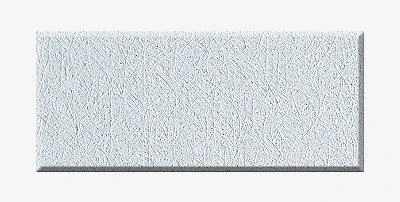
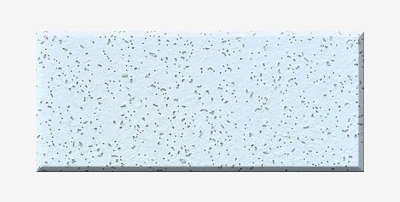
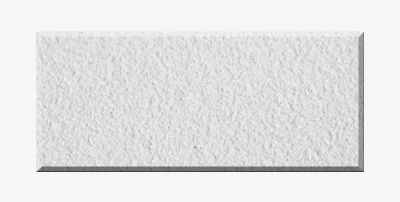
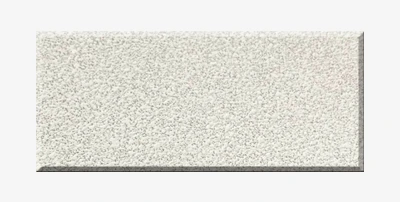
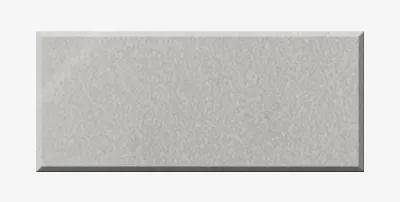
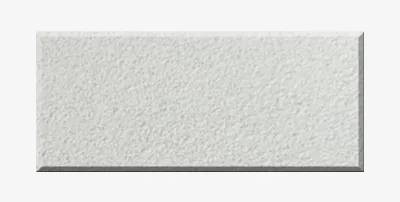
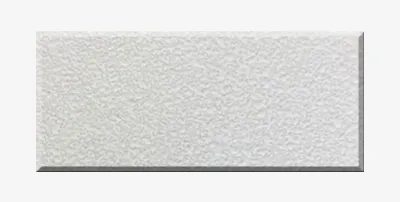
Textures can add depth and dimension to your ceiling. Fiberglass tiles can be manufactured with various textures, such as ridges, waves, or embossed designs, providing a three-dimensional feel that can make a room more dynamic.
3.3 Bold Colors
Using bold colors can evoke strong emotions and create a memorable atmosphere. Consider vibrant reds, deep blues, or even sunny yellows to add vitality to your ceilings. These colors can be complemented by neutral walls to balance the overall design.
3.4 Nature-Inspired Designs
Nature-inspired patterns, such as leaves, flowers, or abstract representations of natural elements, can bring a calming and organic feel to your space. These designs often incorporate earth tones that blend seamlessly with various decor styles.
3.5 Vintage Patterns
For those who appreciate a touch of nostalgia, vintage patterns can transport you back in time. Retro designs often feature intricate details and can be paired with modern furniture for a unique contrast.
4. Installation Guide for Fiberglass Ceiling Tiles
The installation of fiberglass ceiling tiles can be a straightforward process if approached methodically. Below are the steps to ensure a successful installation.
4.1 Gather Necessary Tools
Before starting your project, gather all necessary tools, including a measuring tape, level, adhesive, and a utility knife. Ensure you have a clean, dry workspace to facilitate the installation process.
4.2 Measure and Plan
Carefully measure the dimensions of your ceiling to determine how many tiles you will need. Create a layout plan that considers the pattern you wish to achieve, ensuring tiles are placed symmetrically.
4.3 Prepare the Ceiling Surface
Ensure the ceiling surface is clean, smooth, and free from any debris. If necessary, repair any imperfections to create a solid base for the tiles.
4.4 Cut Tiles as Needed
Use a utility knife to cut tiles to fit the edges of the ceiling and around any fixtures. Ensure precise cuts for a professional finish.
4.5 Apply Adhesive and Place Tiles
Apply adhesive to the back of each tile and carefully place it onto the ceiling, following your layout plan. Use a level to ensure each tile is aligned properly.
4.6 Final Touches
After all tiles are installed, inspect the ceiling for any gaps or misalignments. Make any necessary adjustments and clean the surface to remove excess adhesive.
5. Maintenance Tips for Longevity
To ensure the longevity of your fiberglass ceiling tiles, regular maintenance is crucial. Here are some essential tips to keep them looking fresh.
5.1 Regular Cleaning
Dust and dirt can accumulate on ceiling tiles, diminishing their appearance. Regularly dust the tiles with a soft cloth or a vacuum attachment to keep them clean.
5.2 Address Spills Promptly
In areas prone to spills, such as kitchens or bathrooms, promptly clean any liquid that may splatter onto the tiles. Use a mild detergent mixed with water and a soft sponge for cleaning, avoiding harsh chemicals that may damage the surface.
5.3 Inspect for Damage
Periodically inspect your ceiling for any signs of damage, such as cracks or discoloration. Addressing these issues early can prevent more extensive repairs later.
5.4 Avoid Excessive Moisture
While fiberglass is moisture-resistant, excessive humidity can still affect its integrity. Use exhaust fans in bathrooms and kitchens to reduce moisture levels.
6. The Environmental Impact of Fiberglass Tiles
As the world becomes increasingly aware of sustainability, the choice of materials in construction and decoration plays a crucial role. Fiberglass ceiling tiles can offer several environmental benefits.
6.1 Recyclability
Fiberglass materials can often be recycled, minimizing waste and contributing to a circular economy. Many manufacturers are committed to using recycled content in their products.
6.2 Energy Efficiency
Certain fiberglass ceiling tiles are designed to enhance energy efficiency by improving insulation and regulating temperature. This can lead to reduced energy consumption and lower utility bills.
6.3 Sustainable Production Practices
Many companies producing fiberglass ceiling tiles are adopting sustainable manufacturing practices, including using eco-friendly raw materials and minimizing emissions during production.
7. Affordability and Cost Considerations
When it comes to home renovations, budget is often a significant concern. Fiberglass ceiling tiles provide an affordable solution without compromising aesthetics or durability.
7.1 Cost Comparison
When compared to traditional ceiling materials, fiberglass tiles are often more affordable. They provide a high-end appearance at a lower cost, making them accessible for various budgets.
7.2 Long-Term Savings
Although the initial investment may be slightly higher than cheaper options, the durability and low maintenance of fiberglass tiles can lead to significant savings in the long run, as they require less frequent replacement.
8. Conclusion
Fiberglass ceiling tiles represent a perfect blend of creativity, durability, and functionality. With a wide variety of patterns and colors available, these tiles can transform any ceiling into an artistic masterpiece. Their numerous benefits, including moisture resistance, ease of installation, and cost-effectiveness, make them an ideal choice for both residential and commercial spaces.
To achieve the best results, we encourage you to consider your design preferences and maintenance routines. By following proper installation and care guidelines, you can ensure your fiberglass ceiling tiles remain a stunning focal point for years to come.
9. Frequently Asked Questions (FAQs)
9.1 What are fiberglass ceiling tiles made of?
Fiberglass ceiling tiles are composed of a combination of fiberglass strands and resin, which creates a lightweight and durable material suitable for various applications.
9.2 Can fiberglass ceiling tiles be painted?
Yes, fiberglass ceiling tiles can be painted. However, it is recommended to use a water-based paint to avoid damaging the tiles.
9.3 Are fiberglass ceiling tiles easy to install?
Yes, fiberglass ceiling tiles are relatively easy to install, especially when compared to traditional materials. They can be adhered directly to the ceiling, making the process straightforward for DIY enthusiasts.
9.4 How do I clean fiberglass ceiling tiles?
To clean fiberglass ceiling tiles, use a mild detergent mixed with water and a soft cloth or sponge. Avoid abrasive cleaners that can scratch the surface.
9.5 Are fiberglass ceiling tiles environmentally friendly?
Many fiberglass ceiling tiles are made from recycled materials and are recyclable themselves, making them an environmentally friendly choice for your renovation projects.
Other blogs
Unlocking the Benefits of Mineral Wool Acoustic Ceiling Tiles
Mineral wool acoustic ceiling tiles have emerged as a preferred choice in the construction and decoration materials industry, particularly for those looking to enhance acoustic performance and energy efficiency in various environments. These tiles, made from natural or recycled materials, are renowned for their sound absorption properties, making them perfect for spaces where noise control is esse
Film-Faced Mineral Wool Ceiling Tiles: Essential Choices for Contemporary Architectural Design
Film-Faced Mineral Wool Ceiling Tiles: Essential Choices for Contemporary Architectural Design Table of Contents 1. Introduction to Film-Faced Mineral Wool Ceiling Tiles 2. What Are Film-Faced Mineral Wool Ceiling Tiles? 3. Benefits of Using Film-Faced Mineral Wool Ceiling Tiles 3.1 Acoustic Properties for Enhanced Sound Control 3.2 Sup
Exploring the Benefits of Fiberglass Ceiling Tiles in Modern Architecture
Fiberglass ceiling tiles are an increasingly popular choice in the realm of construction and decorative materials, particularly for interior spaces. These tiles are made from a composite of glass fibers and resin, resulting in a lightweight yet durable product that offers numerous benefits for both residential and commercial applications. One of the primary advantages of fiberglass ceiling tiles i
Cost-Effective Solutions: Metal Stud Framing for Wall Partitions
Cost-Effective Solutions: Metal Stud Framing for Wall Partitions Table of Contents Introduction to Metal Stud Framing Benefits of Metal Stud Framing Understanding Cost-Effectiveness in Construction The Installation Process of Metal Stud Framing Design Flexibility and Aesthetic Appeal Sustainability and Environmental Impact Common Issues and Solutions in Metal Stud Fram
Mineral Wool Acoustic Ceiling Tiles provide a practical ceiling solution for modern buildings where acoustic comfort, fire performance, visual appearance, and installation efficiency all need to work together.
Understanding Ceiling T Grid: Essential Insights for Construction Professionals
Ceiling T Grid systems, also known as T-bar grids, are an essential component in the construction and renovation of commercial and residential spaces. These grids serve as a framework for suspended ceilings and are instrumental in supporting ceiling tiles, acoustic panels, and light fixtures, making them a vital aspect of modern construction design. Understanding the functionality and installation
Light Steel Keels: A Game Changer for the Construction Industry
Light Steel Keels: A Game Changer for the Construction Industry Table of Contents 1. Introduction to Light Steel Keels 2. The Advantages of Using Light Steel Keels 2.1 Durability and Strength 2.2 Cost-Effectiveness 2.3 Environmental Benefits 3. Applications of Light Steel Keels in Construction 3.1 Residential Buildings 3.2 Commercial Structures 3.3 Industrial Facilities 4. Comparing Light Steel Ke
The Essential Guide to Paper-Faced Gypsum Boards: Versatility in Construction and Decoration
Paper-faced gypsum board, commonly known as drywall or gypsum wallboard, plays a critical role in modern construction and interior design. This building material, composed of a gypsum core encased in a layer of paper, offers numerous advantages that make it a popular choice among builders, contractors, and interior decorators. One of the primary benefits of paper-faced gypsum boards is their ease