Looking for Custom Ceiling Solutions? Get a Free Quote Today!

-
ProductsMarketing & ServicesAfter-sales Service:
-
Marketing & ServicesAfter-sales Service:

Blog
Get ln Touch Today
Need Assistance? We're Here To Help!
Telephones
The Role of Metal Stud Framing in Sustainable Building Practices
Release time :
May 14,2026
Source :
The Role of Metal Stud Framing in Sustainable Building Practices In recent years, the construction industry has witnessed a significant shift towards sustainable practices. Among the various materials and methods being embraced, **metal stud framing** stands out as a key solution for promoting environmental sustainability. By reducing waste, enhancing energy efficiency, and improving overall struc

The Role of Metal Stud Framing in Sustainable Building Practices
In recent years, the construction industry has witnessed a significant shift towards sustainable practices. Among the various materials and methods being embraced, **metal stud framing** stands out as a key solution for promoting environmental sustainability. By reducing waste, enhancing energy efficiency, and improving overall structural performance, metal stud framing is revolutionizing the way we think about building materials. In this article, we will delve into the essential role that metal stud framing plays in sustainable building practices, exploring its benefits, applications, and future prospects.
Table of Contents
1. Introduction to Sustainable Building Practices
2. Understanding Metal Stud Framing
2.1 What is Metal Stud Framing?
2.2 Advantages of Metal Studs Over Traditional Materials
3. Environmental Benefits of Metal Stud Framing
3.1 Reducing Carbon Footprint
3.2 Resource Efficiency and Waste Reduction
4. Structural Integrity and Longevity
4.1 Strength and Durability
4.2 Resistance to Pests and Fire
5. Applications of Metal Stud Framing in Sustainable Construction
5.1 Residential Buildings
5.2 Commercial Projects
6. Future Trends in Metal Stud Framing
7. Frequently Asked Questions
8. Conclusion
1. Introduction to Sustainable Building Practices
Sustainable building practices aim to minimize the negative impacts of construction on the environment while maximizing resource efficiency. These practices encompass a wide range of strategies, including the use of renewable materials, energy-efficient designs, and waste reduction techniques. As global awareness of environmental issues grows, the demand for sustainable construction methods has surged.
Metal stud framing is increasingly recognized as a vital component in this movement, offering numerous advantages that align with sustainability goals.
2. Understanding Metal Stud Framing
2.1 What is Metal Stud Framing?
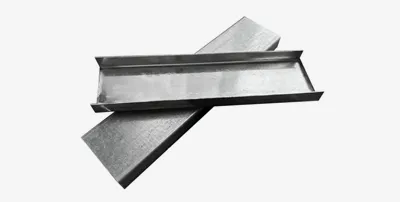
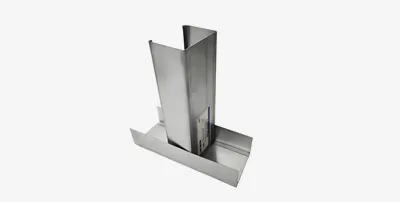
Metal stud framing involves the use of cold-formed steel studs as the primary structural element for walls and partitions. Unlike traditional wood framing, metal studs are fabricated from galvanized steel, offering a robust alternative that is both lightweight and durable. The use of metal studs supports various design configurations while providing enhanced stability.
2.2 Advantages of Metal Studs Over Traditional Materials
Several factors make metal stud framing an attractive option when compared to traditional wood framing. Key advantages include:
- **Lightweight Construction**: Metal studs are significantly lighter than wood, reducing transportation costs and allowing for quicker installation.
- **Consistent Quality**: Metal studs are manufactured to precise specifications, ensuring uniformity and reducing the likelihood of defects.
- **Fire Resistance**: Steel studs are non-combustible, enhancing safety and meeting stringent fire codes.
- **Moisture and Pest Resistance**: Metal framing is impervious to moisture and pests, eliminating concerns associated with mold, rot, and insect infestations.
3. Environmental Benefits of Metal Stud Framing
Metal stud framing contributes to sustainability in construction through several key environmental benefits.
3.1 Reducing Carbon Footprint
The production and use of metal studs can be significantly less carbon-intensive than traditional building materials. For example, the recycling of steel reduces energy consumption and greenhouse gas emissions associated with raw material extraction and production. Many steel manufacturers utilize recycled content, further decreasing the carbon footprint of metal stud framing systems.
3.2 Resource Efficiency and Waste Reduction
Using metal studs helps promote resource efficiency by maximizing material utilization. Unlike wood framing, where cutting and shaping can lead to substantial waste, metal studs can be prefabricated to exact specifications, resulting in minimal offcuts. Additionally, at the end of their life cycle, metal studs can be recycled with little degradation of quality, further reducing landfill waste.
4. Structural Integrity and Longevity
4.1 Strength and Durability
Metal stud framing is renowned for its **strength** and **durability**. The structural integrity of steel studs makes them suitable for a wide variety of building types, from residential homes to high-rise commercial structures. Their inherent strength allows architects and engineers to design larger open spaces without compromising stability.
4.2 Resistance to Pests and Fire
Another critical consideration in sustainable building practices is safety. Metal studs are impervious to common threats such as termites and mold, which can compromise wood structures. Furthermore, the fire-resistant nature of steel framing enhances the overall safety of a building, aligning with sustainable practices that prioritize occupant safety and property protection.
5. Applications of Metal Stud Framing in Sustainable Construction
Metal stud framing has a wide range of applications in sustainable construction, making it a versatile choice for various building projects.
5.1 Residential Buildings
In residential construction, metal studs are increasingly used for interior walls and partitions, offering a lightweight, cost-effective solution that meets energy efficiency standards. They allow for flexible design and easy integration of insulation and drywall systems.
5.2 Commercial Projects
Metal stud framing is especially popular in commercial projects due to its strength and ability to accommodate large spans. Architects benefit from the versatility of steel framing, allowing for innovative designs and the integration of modern building technologies that enhance energy efficiency and sustainability.
6. Future Trends in Metal Stud Framing
As sustainable building practices continue to evolve, metal stud framing is poised for growth. Future trends will likely include:
- **Integration with Smart Technologies**: Incorporating smart building technologies into metal stud frameworks can further enhance energy efficiency and environmental performance.
- **Increased Use of Recycled Materials**: The trend towards utilizing more recycled content in metal production will continue to advance sustainability in construction.
- **Prefabrication Techniques**: The adoption of prefabrication and modular construction methods will increase the efficiency and effectiveness of metal stud framing systems.
7. Frequently Asked Questions
**Q1: What are the primary benefits of using metal stud framing?**
A1: Metal stud framing offers numerous benefits, including lightweight construction, resistance to pests and fire, consistent quality, and reduced waste.
**Q2: How does metal stud framing contribute to sustainability?**
A2: Metal stud framing reduces the carbon footprint of construction, promotes resource efficiency, and minimizes waste through recycling and prefabrication techniques.
**Q3: Is metal stud framing more expensive than wood framing?**
A3: While initial costs may vary, metal stud framing can be more cost-effective in the long run due to its durability, reduced maintenance requirements, and minimal waste generation.
**Q4: Can metal studs be used in residential construction?**
A4: Yes, metal studs are increasingly used in residential building projects for interior walls and partitions, offering a lightweight and durable solution.
**Q5: What is the lifespan of metal stud framing?**
A5: Metal stud framing can last for decades with minimal maintenance, providing long-term value in both residential and commercial applications.
8. Conclusion
In conclusion, metal stud framing plays a crucial role in advancing sustainable building practices. Its inherent advantages—ranging from environmental benefits to structural integrity—position it as a superior alternative to traditional materials. As the construction industry continues to embrace sustainability, the demand for metal stud framing will likely grow, driving innovation and efficiency. By opting for metal stud framing, builders can contribute to a more sustainable future while ensuring the safety and durability of their projects.
Other blogs
Fiberglass Ceiling Tiles: Your Ultimate Solution for Effective Soundproofing
Fiberglass Ceiling Tiles: Your Go-To for Soundproofing Table of Contents 1. Introduction to Fiberglass Ceiling Tiles 2. What Are Fiberglass Ceiling Tiles? 3. Benefits of Using Fiberglass Ceiling Tiles for Soundproofing 4. How Do Fiberglass Ceiling Tiles Work for Soundproofing? 5. Installation Process of Fiberglass Ceiling Tiles 6. Maintenance Tips for Fiberglass Ceiling Ti
Understanding Metal Stud Framing for Wall Partitions: A Comprehensive Guide
Metal stud framing is becoming an increasingly popular choice for wall partitions in construction and interior design, offering a range of benefits that traditional wood framing simply cannot match. This comprehensive guide will delve into the key aspects of metal stud framing, emphasizing its importance in creating durable, efficient, and versatile wall systems. One of the primary advantages of m
Enhancing Your Office Aesthetics with Ceiling T Grid Installations
Enhancing Your Office Aesthetics with Ceiling T Grid Installations Table of Contents 1. Understanding Ceiling T Grid Systems 2. Benefits of Ceiling T Grid Installations for Office Spaces 3. Types of Ceiling T Grid Materials 4. Design Options for Ceiling T Grid Installations 5. The Installation Process of Ceiling T Grids 6. Maintenance Tips for Ceiling T Grid Systems 7.
Understanding Light Steel Keel: A Modern Solution in Construction
--- Light Steel Keel has emerged as a prominent choice in contemporary construction and decoration sectors due to its unique properties and benefits. This building material, primarily composed of cold-formed steel, offers exceptional strength-to-weight ratios, making it a versatile option for a variety of applications. One of the significant advantages of Light Steel Keel is its lightweight nature
Step-by-Step Guide to Repairing and Maintaining Your Paper-Faced Gypsum Board Walls
Step-by-Step Guide to Repairing and Maintaining Your Paper-Faced Gypsum Board Walls Paper-faced gypsum board walls, commonly known as drywall, are widely used in residential and commercial buildings due to their versatility, ease of installation, and cost-effectiveness. However, these walls can suffer from damage over time, whether from impact, moisture, or normal wear and tear. Maintaining and re
Understanding Calcium Silicate Ceiling Boards: Properties, Benefits, and Applications
Calcium Silicate Ceiling Boards are an innovative building material extensively used in the construction and decoration industry. These boards are primarily composed of calcium silicate hydrate, making them highly versatile for various applications. One of the key benefits of using Calcium Silicate Ceiling Boards is their excellent thermal insulation properties. They effectively minimize heat tran
What to Consider Before Installing Sand Texture Mineral Fiber Ceiling Tiles: A Comprehensive Guide
What to Consider Before Installing Sand Texture Mineral Fiber Ceiling Tiles When it comes to ceiling design, **sand texture mineral fiber ceiling tiles** offer a unique blend of aesthetics and functionality. They are increasingly becoming a favorite among homeowners and commercial property managers alike due to their versatility and acoustic benefits. However, before diving into the installation p
Unlocking the Benefits of Mineral Wool Acoustic Ceiling Tiles
Mineral wool acoustic ceiling tiles have emerged as a preferred choice in the construction and decoration materials industry, particularly for those looking to enhance acoustic performance and energy efficiency in various environments. These tiles, made from natural or recycled materials, are renowned for their sound absorption properties, making them perfect for spaces where noise control is esse