Looking for Custom Ceiling Solutions? Get a Free Quote Today!

-
ProductsMarketing & ServicesAfter-sales Service:
-
Marketing & ServicesAfter-sales Service:




Blog
Get ln Touch Today
Need Assistance? We're Here To Help!
Telephones
Maximizing Efficiency: The Use of Light Steel Keels in Design
Release time :
Jun 08,2026
Source :
Maximizing Efficiency: The Use of Light Steel Keels in Design Table of Contents Introduction to Light Steel Keels in Design What Are Light Steel Keels? Advantages of Using Light Steel Keels Cost-Effectiveness Durability and Strength Lightweight and Flexibility Applications of Light Steel Keels in Construction Residential Buildings Commercial St

Maximizing Efficiency: The Use of Light Steel Keels in Design
Table of Contents
- Introduction to Light Steel Keels in Design
- What Are Light Steel Keels?
- Advantages of Using Light Steel Keels
- Applications of Light Steel Keels in Construction
- The Installation Process of Light Steel Keels
- Best Practices for Using Light Steel Keels
- The Future of Light Steel Keels in Design
- Frequently Asked Questions
Introduction to Light Steel Keels in Design
The construction industry is constantly evolving, seeking innovative materials that offer **enhanced efficiency**, **cost savings**, and **sustainability**. One such material making waves is the **light steel keel**. These lightweight yet robust structural elements are reshaping how architects and builders approach design projects. This article examines the properties, benefits, applications, and best practices for utilizing light steel keels, empowering professionals to make informed decisions for their upcoming projects.
What Are Light Steel Keels?
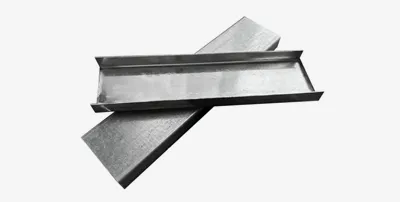
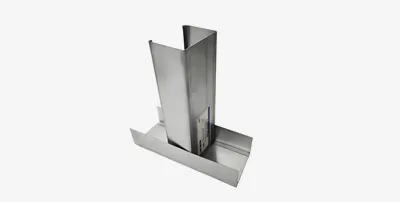
Light steel keels are thin, lightweight steel members used in various construction applications, often forming the backbone of structures. Made from high-strength galvanized steel, these components provide excellent structural integrity while minimizing overall weight. Due to their efficient design, light steel keels are increasingly popular in both residential and commercial construction.
Advantages of Using Light Steel Keels
Understanding the benefits of light steel keels is crucial for professionals looking to optimize their construction projects. Below, we will delve deeper into three primary advantages.
Cost-Effectiveness
One of the most significant advantages of using light steel keels is their **cost-effectiveness**. Because they are lighter than traditional materials, the overall weight reduction leads to lower transportation and handling costs. Additionally, the ease of installation reduces labor costs, allowing for quicker project completion without sacrificing quality.
Durability and Strength
Light steel keels are renowned for their **durability and strength**. The high-quality steel used in their production ensures resistance to warping, shrinking, and pests, which can compromise other materials like wood. This longevity translates to fewer repairs and replacements over the lifespan of the structure, offering further cost savings.
Lightweight and Flexibility
The **lightweight** nature of steel keels allows for significant design flexibility. Architects can create structures with greater spans and more intricate designs without the need for excessive support columns. This flexibility enables innovative designs that may be impractical with traditional materials, ultimately enhancing the aesthetic appeal of buildings.
Applications of Light Steel Keels in Construction
Light steel keels are versatile and can be effectively used in various construction applications. Below are key sectors where these materials shine.
Residential Buildings
In **residential construction**, light steel keels are increasingly favored for framing. They can support walls, roofs, and floors in single-family homes, townhouses, or multi-story buildings. The reduced weight simplifies logistics on site and allows for quicker assembly, making them ideal for modern housing solutions.
Commercial Structures
For **commercial buildings**, light steel keels provide the necessary structural support while allowing for large open spaces, which are often desired in retail and office environments. The ability to create expansive areas without intrusive support beams enhances usability and design versatility.
Modular Construction
The rise of **modular construction** has also spurred the use of light steel keels. These components are perfect for prefabricated units, enabling faster assembly on site. The lightweight nature of steel enhances the feasibility of shipping modular units, leading to reduced transportation costs and environmental impact.
The Installation Process of Light Steel Keels
Installing light steel keels necessitates a methodical approach to ensure structural integrity and efficiency. The following steps outline the general installation process:
1. **Planning and Design**: Before installation, architects and engineers must create detailed plans, ensuring all dimensions and load-bearing requirements are met.
2. **Site Preparation**: Preparing the site includes leveling the ground and establishing a solid foundation, which is crucial for stability.
3. **Assembly of Components**: The keels are assembled on-site or prefabricated in a factory setting. Joints and connections must be secured using appropriate fasteners to maintain structural integrity.
4. **Final Inspection**: Once installed, a thorough inspection ensures that all components are secure and meet safety standards.
Best Practices for Using Light Steel Keels
Incorporating light steel keels into your construction projects requires adherence to certain best practices to reap their full benefits. Here are some tips for effective use:
1. **Engage Experienced Professionals**: Collaborate with architects and engineers experienced in light steel construction to maximize the design and structural advantages of these materials.
2. **Utilize Advanced Software**: Employ architectural design software that supports the integration of light steel keels into your designs, allowing for accurate load calculations and structural analysis.
3. **Conduct Regular Maintenance**: Though light steel keels are durable, routine inspections and maintenance can help identify any issues early, ensuring the long-term performance of the structure.
4. **Train Installation Teams**: Ensure that the installation teams are trained in handling and installing light steel keels, as proper installation is vital for structural integrity.
The Future of Light Steel Keels in Design
The future of light steel keels in design appears promising, driven by a growing demand for sustainable and cost-effective building solutions. As technology advances, new manufacturing techniques will likely enhance their performance while further reducing environmental impact. The trend towards green building practices will continue to favor materials like light steel that offer recyclability and lower carbon footprints.
Frequently Asked Questions
1. What is the main benefit of using light steel keels in construction?
The primary benefit of using light steel keels is their cost-effectiveness combined with durability. Their lightweight nature reduces transportation and installation costs while maintaining structural integrity.
2. Can light steel keels be used in high-rise buildings?
Yes, light steel keels are suitable for high-rise buildings due to their strength-to-weight ratio, allowing for large spans and open designs without excessive support.
3. How do light steel keels compare to traditional wood framing?
Light steel keels offer superior durability, resistance to pests and moisture, and design flexibility compared to traditional wood framing, making them a more sustainable option in many cases.
4. Are light steel keels environmentally friendly?
Light steel keels are considered environmentally friendly as they are recyclable, reduce waste during construction, and can contribute to energy-efficient building designs.
5. What kind of maintenance do light steel keels require?
Light steel keels require minimal maintenance. Routine inspections to check for any signs of corrosion or damage are recommended to ensure long-lasting performance.
Conclusion
Incorporating light steel keels into design not only maximizes efficiency but also fosters innovation within the construction industry. Their **cost-effectiveness**, **durability**, and **lightweight nature** make them a superior choice for various building applications. As architectural practices evolve, the role of light steel keels is set to expand, providing professionals with the tools necessary to create efficient, sustainable, and aesthetically pleasing structures. By embracing these materials, builders and designers can confidently move towards a more efficient future in construction.
Other blogs
Fiberglass Ceiling Tiles: Your Ultimate Solution for Effective Soundproofing
Fiberglass Ceiling Tiles: Your Go-To for Soundproofing Table of Contents 1. Introduction to Fiberglass Ceiling Tiles 2. What Are Fiberglass Ceiling Tiles? 3. Benefits of Using Fiberglass Ceiling Tiles for Soundproofing 4. How Do Fiberglass Ceiling Tiles Work for Soundproofing? 5. Installation Process of Fiberglass Ceiling Tiles 6. Maintenance Tips for Fiberglass Ceiling Ti
Understanding Metal Stud Framing for Wall Partitions: A Comprehensive Guide
Metal stud framing is becoming an increasingly popular choice for wall partitions in construction and interior design, offering a range of benefits that traditional wood framing simply cannot match. This comprehensive guide will delve into the key aspects of metal stud framing, emphasizing its importance in creating durable, efficient, and versatile wall systems. One of the primary advantages of m
Enhancing Your Office Aesthetics with Ceiling T Grid Installations
Enhancing Your Office Aesthetics with Ceiling T Grid Installations Table of Contents 1. Understanding Ceiling T Grid Systems 2. Benefits of Ceiling T Grid Installations for Office Spaces 3. Types of Ceiling T Grid Materials 4. Design Options for Ceiling T Grid Installations 5. The Installation Process of Ceiling T Grids 6. Maintenance Tips for Ceiling T Grid Systems 7.
Understanding Light Steel Keel: A Modern Solution in Construction
--- Light Steel Keel has emerged as a prominent choice in contemporary construction and decoration sectors due to its unique properties and benefits. This building material, primarily composed of cold-formed steel, offers exceptional strength-to-weight ratios, making it a versatile option for a variety of applications. One of the significant advantages of Light Steel Keel is its lightweight nature
Step-by-Step Guide to Repairing and Maintaining Your Paper-Faced Gypsum Board Walls
Step-by-Step Guide to Repairing and Maintaining Your Paper-Faced Gypsum Board Walls Paper-faced gypsum board walls, commonly known as drywall, are widely used in residential and commercial buildings due to their versatility, ease of installation, and cost-effectiveness. However, these walls can suffer from damage over time, whether from impact, moisture, or normal wear and tear. Maintaining and re
Understanding Calcium Silicate Ceiling Boards: Properties, Benefits, and Applications
Calcium Silicate Ceiling Boards are an innovative building material extensively used in the construction and decoration industry. These boards are primarily composed of calcium silicate hydrate, making them highly versatile for various applications. One of the key benefits of using Calcium Silicate Ceiling Boards is their excellent thermal insulation properties. They effectively minimize heat tran
What to Consider Before Installing Sand Texture Mineral Fiber Ceiling Tiles: A Comprehensive Guide
What to Consider Before Installing Sand Texture Mineral Fiber Ceiling Tiles When it comes to ceiling design, **sand texture mineral fiber ceiling tiles** offer a unique blend of aesthetics and functionality. They are increasingly becoming a favorite among homeowners and commercial property managers alike due to their versatility and acoustic benefits. However, before diving into the installation p
Unlocking the Benefits of Mineral Wool Acoustic Ceiling Tiles
Mineral wool acoustic ceiling tiles have emerged as a preferred choice in the construction and decoration materials industry, particularly for those looking to enhance acoustic performance and energy efficiency in various environments. These tiles, made from natural or recycled materials, are renowned for their sound absorption properties, making them perfect for spaces where noise control is esse