Looking for Custom Ceiling Solutions? Get a Free Quote Today!

-
ProductsMarketing & ServicesAfter-sales Service:
-
Marketing & ServicesAfter-sales Service:

Blog
Get ln Touch Today
Need Assistance? We're Here To Help!
Telephones
How Metal Stud Framing Enhances Soundproofing in Wall Partitions
Release time :
Jun 12,2026
Source :
How Metal Stud Framing Enhances Soundproofing in Wall Partitions Introduction to Metal Stud Framing and Soundproofing Metal stud framing has become a popular choice in modern construction, particularly in creating wall partitions. This method not only provides structural integrity but also significantly enhances soundproofing capabilities. In a world where noise pollution can disrupt comfort and

How Metal Stud Framing Enhances Soundproofing in Wall Partitions
Introduction to Metal Stud Framing and Soundproofing
Metal stud framing has become a popular choice in modern construction, particularly in creating wall partitions. This method not only provides structural integrity but also significantly enhances soundproofing capabilities. In a world where noise pollution can disrupt comfort and productivity, understanding how metal stud framing contributes to superior sound isolation is crucial.
The Importance of Soundproofing in Building Design
Today’s architectural designs prioritize functionality, aesthetics, and comfort. Soundproofing has emerged as a critical element in building design for various reasons:
- **Privacy:** In residential and commercial spaces, adequate soundproofing ensures that discussions remain private and undisturbed.
- **Comfort:** Excessive noise can lead to stress and reduced productivity. Effective soundproofing creates a serene environment conducive to work and relaxation.
- **Regulatory Compliance:** Many building codes and regulations require specific sound insulation standards, particularly in multi-family housing and commercial buildings.
Understanding Metal Stud Framing
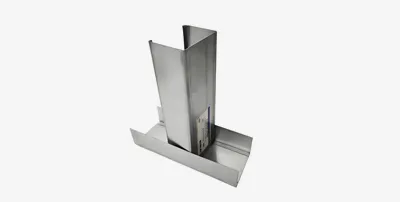
Metal stud framing involves using steel or metal studs as the main structural support for walls instead of traditional wood studs. This approach has several advantages, including:
- **Durability:** Metal studs are not susceptible to warping, splitting, or insect damage.
- **Fire Resistance:** Metal framing offers superior fire ratings compared to wood, enhancing safety in a building.
- **Eco-Friendly:** Steel is often made from recycled materials and is fully recyclable at the end of its life cycle.
The Role of Metal Studs in Soundproofing
The design and material composition of metal studs can significantly affect the soundproofing qualities of wall partitions. Here’s how:
Mass and Density
One of the primary principles of soundproofing is increasing mass. Heavier materials are more effective at blocking sound waves. Metal studs provide a greater density compared to wood, contributing to better sound isolation.
Decoupling Techniques
Decoupling is a critical soundproofing technique that involves separating the two sides of a wall to prevent sound transmission. Metal studs can be used in conjunction with resilient channels or sound isolation clips. This separation creates an air gap, effectively reducing sound transfer between rooms.
Key Techniques for Enhancing Soundproofing with Metal Stud Framing
To maximize the soundproofing effectiveness of metal stud framing, several techniques can be employed:
1. Use of Sound Insulation Materials
Incorporating sound-absorbing materials such as acoustic fiberglass or mineral wool within the wall cavity can significantly reduce sound transmission. When combined with metal studs, these materials can create a robust sound barrier.
2. Installing Multiple Layers of Drywall
Applying multiple layers of drywall to both sides of the metal studs can enhance soundproofing. Using different thicknesses or types of drywall can also help in disrupting sound waves, providing greater sound isolation.
3. Sealing Gaps and Cracks
Air gaps and cracks can undermine the soundproofing efforts. Using acoustic caulk to seal all joints, edges, and penetrations around electrical outlets and plumbing can significantly enhance the sound barrier provided by metal stud framing.
4. Utilizing Resilient Channels
Resilient channels are metal strips installed perpendicular to the studs before the drywall is mounted. They create a separation, allowing the drywall to "float," which reduces the transmission of sound vibrations.
5. Soundproofing Adhesives
Using soundproofing adhesives when installing drywall can significantly enhance the sound barrier. These adhesives help to bond the drywall to the metal studs while reducing the transmission of sound vibrations.
Case Studies: Successful Implementation of Metal Stud Framing for Soundproofing
To illustrate the effectiveness of metal stud framing in enhancing soundproofing, let’s explore a few case studies from various sectors.
1. Multi-Family Residential Complex
In a multi-family residential complex, the use of metal stud framing combined with sound-absorbing insulation resulted in a 50% reduction in sound transmission between units. The construction included double layers of drywall and resilient channels, creating a quiet living environment for residents.
2. Office Spaces
In a corporate setting, metal stud partitions were installed between meeting rooms and open office areas. The addition of acoustic insulation and careful sealing of gaps led to a noticeable decrease in ambient noise, thereby improving productivity.
3. Music Studios
A music studio designed using metal stud framing incorporated advanced soundproofing techniques, including multiple layers of drywall and specialized soundproofing materials. The result was a controlled acoustic environment suitable for recording without external noise interference.
Challenges and Considerations When Using Metal Stud Framing
While metal stud framing offers numerous benefits for soundproofing, there are some challenges to consider:
1. Cost Implications
Metal studs can be more expensive than wood studs, which may impact the overall budget for a project. However, the long-term benefits and durability often justify the initial investment.
2. Installation Complexity
Metal stud framing requires specific tools and skills for proper installation. Contractors need to be familiar with the nuances of working with metal, which can add complexity to the construction process.
3. Thermal Considerations
Metal can conduct temperature, which may become a concern in terms of insulation. Combining metal studs with proper thermal insulation can mitigate these issues.
Frequently Asked Questions (FAQs)
1. Is metal stud framing better for soundproofing than wood framing?
Yes, metal stud framing typically provides better mass and decoupling capabilities, which enhance soundproofing.
2. Can I add soundproofing to existing wall partitions made of metal studs?
Absolutely! You can improve soundproofing by adding insulation, additional drywall layers, and sealing gaps.
3. How much sound can metal stud framing effectively block?
The effectiveness can vary based on the materials and techniques used, but with proper installation, significant sound reduction can be achieved, often 50% or more.
4. What types of insulation are best for soundproofing with metal studs?
Acoustic fiberglass or mineral wool insulation are highly recommended for their sound-absorbing properties.
5. How does the installation of resilient channels improve soundproofing?
Resilient channels create a separation between the drywall and metal studs, reducing sound vibrations and improving overall sound isolation.
Conclusion
Metal stud framing is a powerful method for enhancing soundproofing in wall partitions. By utilizing various techniques—such as sound insulation materials, multiple drywall layers, and resilient channels—builders and architects can create highly effective sound barriers that ensure privacy and comfort in residential and commercial spaces alike. As noise pollution continues to rise, the advantages of metal stud framing in soundproofing applications will only grow in importance for future building projects. Embracing this innovative approach can lead to more peaceful environments, promoting well-being and productivity for everyone.
Other blogs
Fiberglass Ceiling Tiles: Your Ultimate Solution for Effective Soundproofing
Fiberglass Ceiling Tiles: Your Go-To for Soundproofing Table of Contents 1. Introduction to Fiberglass Ceiling Tiles 2. What Are Fiberglass Ceiling Tiles? 3. Benefits of Using Fiberglass Ceiling Tiles for Soundproofing 4. How Do Fiberglass Ceiling Tiles Work for Soundproofing? 5. Installation Process of Fiberglass Ceiling Tiles 6. Maintenance Tips for Fiberglass Ceiling Ti
Understanding Metal Stud Framing for Wall Partitions: A Comprehensive Guide
Metal stud framing is becoming an increasingly popular choice for wall partitions in construction and interior design, offering a range of benefits that traditional wood framing simply cannot match. This comprehensive guide will delve into the key aspects of metal stud framing, emphasizing its importance in creating durable, efficient, and versatile wall systems. One of the primary advantages of m
Enhancing Your Office Aesthetics with Ceiling T Grid Installations
Enhancing Your Office Aesthetics with Ceiling T Grid Installations Table of Contents 1. Understanding Ceiling T Grid Systems 2. Benefits of Ceiling T Grid Installations for Office Spaces 3. Types of Ceiling T Grid Materials 4. Design Options for Ceiling T Grid Installations 5. The Installation Process of Ceiling T Grids 6. Maintenance Tips for Ceiling T Grid Systems 7.
Understanding Light Steel Keel: A Modern Solution in Construction
--- Light Steel Keel has emerged as a prominent choice in contemporary construction and decoration sectors due to its unique properties and benefits. This building material, primarily composed of cold-formed steel, offers exceptional strength-to-weight ratios, making it a versatile option for a variety of applications. One of the significant advantages of Light Steel Keel is its lightweight nature
Step-by-Step Guide to Repairing and Maintaining Your Paper-Faced Gypsum Board Walls
Step-by-Step Guide to Repairing and Maintaining Your Paper-Faced Gypsum Board Walls Paper-faced gypsum board walls, commonly known as drywall, are widely used in residential and commercial buildings due to their versatility, ease of installation, and cost-effectiveness. However, these walls can suffer from damage over time, whether from impact, moisture, or normal wear and tear. Maintaining and re
Understanding Calcium Silicate Ceiling Boards: Properties, Benefits, and Applications
Calcium Silicate Ceiling Boards are an innovative building material extensively used in the construction and decoration industry. These boards are primarily composed of calcium silicate hydrate, making them highly versatile for various applications. One of the key benefits of using Calcium Silicate Ceiling Boards is their excellent thermal insulation properties. They effectively minimize heat tran
What to Consider Before Installing Sand Texture Mineral Fiber Ceiling Tiles: A Comprehensive Guide
What to Consider Before Installing Sand Texture Mineral Fiber Ceiling Tiles When it comes to ceiling design, **sand texture mineral fiber ceiling tiles** offer a unique blend of aesthetics and functionality. They are increasingly becoming a favorite among homeowners and commercial property managers alike due to their versatility and acoustic benefits. However, before diving into the installation p
Unlocking the Benefits of Mineral Wool Acoustic Ceiling Tiles
Mineral wool acoustic ceiling tiles have emerged as a preferred choice in the construction and decoration materials industry, particularly for those looking to enhance acoustic performance and energy efficiency in various environments. These tiles, made from natural or recycled materials, are renowned for their sound absorption properties, making them perfect for spaces where noise control is esse