Looking for Custom Ceiling Solutions? Get a Free Quote Today!

-
ProductsMarketing & ServicesAfter-sales Service:
-
Marketing & ServicesAfter-sales Service:





Blog
Get ln Touch Today
Need Assistance? We're Here To Help!
Telephones
The Cost-Effectiveness of Light Steel Keels in Construction Projects
Release time :
Jul 17,2026
Source :
The Cost-Effectiveness of Light Steel Keels in Construction Projects Table of Contents 1. Introduction to Light Steel Keels 2. What Are Light Steel Keels? 3. Benefits of Using Light Steel Keels 3.1 Cost-Saving Benefits 3.2 Durability and Strength 3.3 Sustainability Benefits 4. Applications in Construction 4.1 Residential Projects 4.2 Commercial

The Cost-Effectiveness of Light Steel Keels in Construction Projects
Table of Contents
- 1. Introduction to Light Steel Keels
- 2. What Are Light Steel Keels?
- 3. Benefits of Using Light Steel Keels
- 4. Applications in Construction
- 5. Comparison with Other Building Materials
- 6. Installation and Maintenance of Light Steel Keels
- 7. Challenges and Considerations
- 8. Future Outlook for Light Steel Keels
- 9. FAQs about Light Steel Keels
- 10. Conclusion
1. Introduction to Light Steel Keels
In recent years, the construction industry has seen a significant shift towards utilizing materials that offer enhanced performance and cost savings. Among these materials, **light steel keels** have emerged as a leading choice for builders and contractors. This article examines the cost-effectiveness of light steel keels, focusing on their advantages, applications, and future prospects in construction projects.
2. What Are Light Steel Keels?
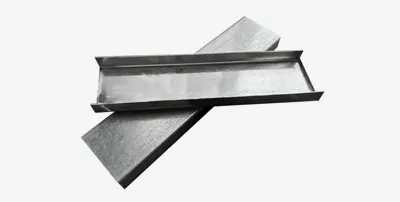
Light steel keels are structural components made from high-strength steel that are designed to provide essential support in various construction applications. These keels are lightweight yet durable, making them an ideal choice for framing and support structures. Their unique properties allow for easier handling and installation compared to traditional materials, reducing labor costs and project timelines.
3. Benefits of Using Light Steel Keels
Understanding the benefits of light steel keels is crucial for stakeholders in the construction industry. Below, we explore specific advantages that contribute to their cost-effectiveness.
3.1 Cost-Saving Benefits
The use of light steel keels can lead to significant cost savings in construction projects. Here are some of the key reasons why:
- **Reduced Material Costs**: Light steel keels are often more affordable than traditional materials such as wood or concrete. Their lightweight nature allows for the use of less material without compromising structural integrity.
- **Lower Labor Costs**: The ease of handling and installation of light steel keels translates to reduced labor costs. Construction teams can complete projects more quickly, allowing for faster project turnovers and increased profitability.
- **Minimized Waste**: The precision manufacturing of light steel keels results in less waste during construction. This efficiency contributes to overall cost reductions and aligns with sustainable building practices.
3.2 Durability and Strength
Light steel keels are not only cost-effective but also offer exceptional durability and strength. Key aspects include:
- **Resistant to Environmental Factors**: Unlike wood, light steel keels are resistant to rot, pests, and warping, ensuring longevity and reduced maintenance costs.
- **High Load-Bearing Capacity**: The structural integrity of light steel allows these keels to support significant loads, making them suitable for various applications, including multi-story buildings.
3.3 Sustainability Benefits
In today’s eco-conscious world, sustainability in construction projects is more important than ever. Light steel keels contribute to sustainable construction in several ways:
- **Recyclability**: Steel is one of the most recycled materials globally. Utilizing light steel keels in construction promotes sustainability and reduces the carbon footprint of projects.
- **Energy Efficiency**: Buildings constructed with light steel keels can achieve better energy efficiency ratings, leading to lower energy bills and minimizing environmental impacts.
4. Applications in Construction
Light steel keels are versatile and can be used across various construction sectors. Below, we discuss their applications in different types of projects.
4.1 Residential Projects
In residential construction, light steel keels are increasingly utilized in framing systems. Their lightweight design makes them ideal for modern homes, providing flexibility in design while ensuring structural integrity.
4.2 Commercial Projects
For commercial buildings, the speed of installation and cost-effectiveness of light steel keels render them a popular choice. They are often used in the construction of office buildings, retail spaces, and warehouses.
4.3 Industrial Projects
In industrial applications, light steel keels play a crucial role in providing robust support for equipment and machinery. Their strength and durability make them suitable for factories and production facilities.
5. Comparison with Other Building Materials
When considering building materials, it is essential to understand how light steel keels compare to alternatives like wood, concrete, and aluminum.
- **Wood**: While wood is a traditional choice for framing, it is susceptible to rot and pests. Light steel keels provide a more durable and sustainable option.
- **Concrete**: Though concrete offers high strength, it is heavier and more expensive to transport and install. Light steel keels reduce transportation costs and installation time.
- **Aluminum**: Aluminum is lightweight but often more expensive than steel. Light steel keels strike a balance between cost and performance.
6. Installation and Maintenance of Light Steel Keels
The installation of light steel keels is a straightforward process that can be completed efficiently by skilled labor. Proper techniques involve:
- **Preparation of the Site**: Ensuring the construction site is ready for installation is critical.
- **Utilizing the Right Tools**: Specialized tools designed for steel framing will enhance efficiency and precision.
- **Regular Maintenance**: Although light steel keels require minimal maintenance, periodic inspections ensure long-term performance.
7. Challenges and Considerations
While light steel keels offer numerous benefits, some challenges must be considered:
- **Corrosion**: Steel is prone to corrosion if not properly treated. Utilizing galvanized or coated steel can mitigate this issue.
- **Initial Costs**: The upfront costs of light steel keels may be higher than some alternatives, but the long-term savings typically justify this investment.
8. Future Outlook for Light Steel Keels
The future of light steel keels in construction looks promising. As the industry continues to prioritize sustainability, efficiency, and innovation, light steel keels will likely play an increasingly significant role. Ongoing advancements in manufacturing technology are expected to enhance their properties further, making them an even more attractive option for builders.
9. FAQs about Light Steel Keels
1. What are the main advantages of using light steel keels?
The main advantages include cost savings, durability, sustainability, and ease of installation.
2. How do light steel keels compare to traditional materials?
Light steel keels are typically stronger, more durable, and require less maintenance than traditional materials like wood and concrete.
3. Are light steel keels environmentally friendly?
Yes, they are recyclable and can contribute to energy-efficient building designs.
4. What types of projects can benefit from light steel keels?
Light steel keels can be used in residential, commercial, and industrial construction projects.
5. How should light steel keels be maintained?
Regular inspections and proper treatment against corrosion are essential for maintaining light steel keels.
10. Conclusion
The cost-effectiveness of light steel keels in construction projects is undeniable. With benefits ranging from reduced material and labor costs to enhanced durability and sustainability, light steel keels have become a preferred choice for a wide array of construction applications. As the industry continues to evolve, embracing innovative materials like light steel keels will be crucial in meeting the demands of modern building projects. By understanding their advantages and applications, stakeholders can make informed decisions that optimize both performance and cost-effectiveness in their construction endeavors.
Other blogs
Fiberglass Ceiling Tiles: Your Ultimate Solution for Effective Soundproofing
Fiberglass Ceiling Tiles: Your Go-To for Soundproofing Table of Contents 1. Introduction to Fiberglass Ceiling Tiles 2. What Are Fiberglass Ceiling Tiles? 3. Benefits of Using Fiberglass Ceiling Tiles for Soundproofing 4. How Do Fiberglass Ceiling Tiles Work for Soundproofing? 5. Installation Process of Fiberglass Ceiling Tiles 6. Maintenance Tips for Fiberglass Ceiling Ti
Understanding Metal Stud Framing for Wall Partitions: A Comprehensive Guide
Metal stud framing is becoming an increasingly popular choice for wall partitions in construction and interior design, offering a range of benefits that traditional wood framing simply cannot match. This comprehensive guide will delve into the key aspects of metal stud framing, emphasizing its importance in creating durable, efficient, and versatile wall systems. One of the primary advantages of m
Enhancing Your Office Aesthetics with Ceiling T Grid Installations
Enhancing Your Office Aesthetics with Ceiling T Grid Installations Table of Contents 1. Understanding Ceiling T Grid Systems 2. Benefits of Ceiling T Grid Installations for Office Spaces 3. Types of Ceiling T Grid Materials 4. Design Options for Ceiling T Grid Installations 5. The Installation Process of Ceiling T Grids 6. Maintenance Tips for Ceiling T Grid Systems 7.
Understanding Light Steel Keel: A Modern Solution in Construction
--- Light Steel Keel has emerged as a prominent choice in contemporary construction and decoration sectors due to its unique properties and benefits. This building material, primarily composed of cold-formed steel, offers exceptional strength-to-weight ratios, making it a versatile option for a variety of applications. One of the significant advantages of Light Steel Keel is its lightweight nature
Step-by-Step Guide to Repairing and Maintaining Your Paper-Faced Gypsum Board Walls
Step-by-Step Guide to Repairing and Maintaining Your Paper-Faced Gypsum Board Walls Paper-faced gypsum board walls, commonly known as drywall, are widely used in residential and commercial buildings due to their versatility, ease of installation, and cost-effectiveness. However, these walls can suffer from damage over time, whether from impact, moisture, or normal wear and tear. Maintaining and re
Understanding Calcium Silicate Ceiling Boards: Properties, Benefits, and Applications
Calcium Silicate Ceiling Boards are an innovative building material extensively used in the construction and decoration industry. These boards are primarily composed of calcium silicate hydrate, making them highly versatile for various applications. One of the key benefits of using Calcium Silicate Ceiling Boards is their excellent thermal insulation properties. They effectively minimize heat tran
What to Consider Before Installing Sand Texture Mineral Fiber Ceiling Tiles: A Comprehensive Guide
What to Consider Before Installing Sand Texture Mineral Fiber Ceiling Tiles When it comes to ceiling design, **sand texture mineral fiber ceiling tiles** offer a unique blend of aesthetics and functionality. They are increasingly becoming a favorite among homeowners and commercial property managers alike due to their versatility and acoustic benefits. However, before diving into the installation p
Unlocking the Benefits of Mineral Wool Acoustic Ceiling Tiles
Mineral wool acoustic ceiling tiles have emerged as a preferred choice in the construction and decoration materials industry, particularly for those looking to enhance acoustic performance and energy efficiency in various environments. These tiles, made from natural or recycled materials, are renowned for their sound absorption properties, making them perfect for spaces where noise control is esse