Looking for Custom Ceiling Solutions? Get a Free Quote Today!

-
ProductsMarketing & ServicesAfter-sales Service:
-
Marketing & ServicesAfter-sales Service:

Blog
Get ln Touch Today
Need Assistance? We're Here To Help!
Telephones
Exploring the Versatility of Metal Stud Framing in Wall Construction
Release time :
Aug 26,2026
Source :
Exploring the Versatility of Metal Stud Framing in Wall Construction In the realm of construction, the choice of materials can significantly influence the project’s success. Among the various options available, metal stud framing has emerged as a highly versatile and beneficial choice in wall construction. This article aims to explore the multifaceted advantages, applications, and techniques assoc

Exploring the Versatility of Metal Stud Framing in Wall Construction
In the realm of construction, the choice of materials can significantly influence the project’s success. Among the various options available, metal stud framing has emerged as a highly versatile and beneficial choice in wall construction. This article aims to explore the multifaceted advantages, applications, and techniques associated with metal stud framing, providing you with a comprehensive understanding of why it is an increasingly popular choice in modern building practices.
Table of Contents
- What Are Metal Studs?
- Benefits of Metal Stud Framing
- Applications of Metal Stud Framing
- Installation Techniques for Metal Stud Framing
- Metal vs. Wood Stud Framing
- Cost Considerations
- Sustainability of Metal Stud Framing
- Common Misconceptions About Metal Stud Framing
- Frequently Asked Questions
- Conclusion
What Are Metal Studs?
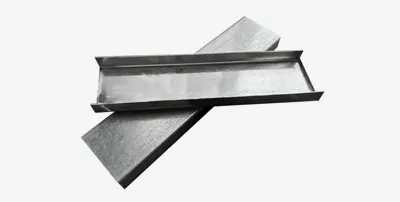
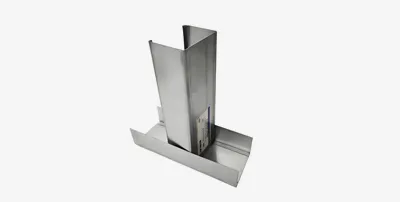
Metal studs are structural components used in wall framing, primarily made from galvanized steel. They are designed to replace traditional wood studs in various construction applications. Characterized by their strength and lightweight nature, metal studs come in a range of sizes and thicknesses to accommodate different building needs. This framing method is particularly favored in commercial construction due to its ability to provide durability, fire resistance, and ease of installation.
Benefits of Metal Stud Framing
1. Durability and Strength
One of the most significant benefits of metal stud framing is its durability. Unlike wood, metal does not warp, twist, or crack over time, ensuring that walls maintain their structural integrity. This stability is crucial, especially in areas prone to moisture where wood could deteriorate quickly.
2. Lightweight Design
Metal studs are considerably lighter than their wooden counterparts, which reduces the overall weight of the building structure. This characteristic not only simplifies transportation and handling during construction but also allows for easier modifications and adjustments.
3. Fire Resistance
Metal studs are inherently fire-resistant, making them an ideal choice for commercial buildings and other structures where fire safety is a priority. They do not ignite like wood, providing one layer of security against the spread of flames.
4. Design Flexibility
Metal stud framing offers remarkable design flexibility. The studs can be easily shaped and configured to accommodate various architectural designs, allowing for creative freedom in wall layouts. This adaptability makes them suitable for both simple and complex constructions.
5. Cost-Effectiveness
Although the initial costs of metal stud framing may be higher than wood, the long-term savings are noteworthy. The durability, minimal maintenance, and installation efficiency of metal studs contribute to lower overall project costs.
Applications of Metal Stud Framing
Metal stud framing is versatile and can be applied in various construction scenarios. Here are some of the most common applications:
1. Commercial Buildings
Due to their strength and fire-resistant properties, metal studs are widely used in commercial construction projects, including offices, retail spaces, and industrial buildings. They accommodate larger spans and heavier loads than wood, making them ideal for these types of structures.
2. Residential Constructions
While traditionally less common in residential buildings, metal stud framing is gaining popularity in modern homes. Their lightweight nature and design flexibility allow architects to create innovative layouts and features in residential settings.
3. Interior Partitions
Metal stud framing is extensively utilized for creating interior partitions in both commercial and residential spaces. It allows for easy adjustments to accommodate changes in room layouts and functions.
4. Ceilings and Soffits
Metal studs can also be employed in ceiling constructions and soffits, providing a robust framework that supports various ceiling types, including drop ceilings, acoustical tiles, and decorative features.
Installation Techniques for Metal Stud Framing
Installing metal stud framing requires specific techniques to ensure structural integrity and alignment. Here’s a breakdown of the essential installation steps:
1. Planning and Layout
Before installation, careful planning is crucial. This includes marking the layout based on the building’s blueprints and ensuring that all measurements are accurate to avoid complications during installation.
2. Cutting the Studs
Metal studs can be easily cut to size using metal shears or a reciprocating saw. It’s essential to wear safety gear to protect against sharp edges and flying debris during this process.
3. Securing the Track
Metal tracks are installed first, providing a secure base for the metal studs. They are typically anchored to the floor and ceiling joists using screws or anchors, ensuring stability.
4. Installing the Studs
Once the tracks are in place, metal studs are inserted into the tracks and secured using screws. It's vital to maintain vertical alignment and use a level to ensure accuracy.
5. Finishing Touches
After the studs are installed, the next steps involve adding insulation, drywall, and electrical wiring as needed. Proper finishing ensures that the wall system meets both aesthetic and functional requirements.
Metal vs. Wood Stud Framing
When comparing metal and wood stud framing, several factors come into play that may affect your choice:
1. Strength and Durability
Metal studs outperform wood in terms of strength and longevity. They resist damage from pests, moisture, and fire, making them a more resilient option for framing.
2. Weight
Metal studs are lighter than wood, which can simplify the construction process and reduce labor costs.
3. Environmental Impact
Metal studs are often made from recycled materials and are fully recyclable at the end of their lifecycle, making them a more sustainable choice compared to wood, which requires deforestation.
4. Cost
While metal studs may have higher upfront costs, their durability and reduced maintenance requirements can lead to cost savings in the long run.
Cost Considerations
When evaluating the costs associated with metal stud framing, it’s essential to consider both initial expenses and long-term savings. While metal studs generally require a higher initial investment, the factors such as durability, reduced labor costs due to quick installation, and low maintenance contribute to overall savings. Budgeting for metal stud framing should also account for specialized tools and accessories, which may add to the initial costs but pay off in efficiency and time savings.
Sustainability of Metal Stud Framing
As environmental concerns become increasingly significant in construction, the sustainability of building materials is a crucial consideration. Metal studs are often made from recycled steel and can be fully recycled at the end of their life cycle, reducing landfill waste. Additionally, their longevity and resistance to environmental factors contribute to a reduced need for replacements, promoting sustainability in the construction industry.
Common Misconceptions About Metal Stud Framing
Despite its growing popularity, several misconceptions persist about metal stud framing:
1. Metal Studs Are Weak
Contrary to popular belief, metal studs can withstand significant loads and are suitable for various structural applications. Their strength makes them a preferred choice in commercial construction.
2. Metal Framing Is Difficult to Install
While installation techniques differ from wood framing, metal studs can often be installed more quickly, with fewer tools required. Proper training and technique can lead to efficient installation.
3. Metal Studs Conduct Cold
While metal does conduct temperature, proper insulation mitigates this issue, ensuring that walls framed with metal studs maintain comfortable indoor environments.
Frequently Asked Questions
1. Can metal studs be used for load-bearing walls?
Yes, metal studs can be used for load-bearing walls, provided they are appropriately sized and installed according to engineering specifications.
2. Are metal studs more expensive than wood studs?
While the initial costs of metal studs may be higher, the long-term savings in durability and maintenance can offset this expense.
3. Is it possible to attach drywall directly to metal studs?
Yes, drywall can be directly attached to metal studs using drywall screws designed for metal framing.
4. How do I prevent rust on metal studs?
Using galvanized steel studs helps prevent rust, but additional protective coatings can also be applied in environments prone to moisture.
5. Can I use metal studs in residential construction?
Absolutely! Metal studs are increasingly being used in residential construction for their durability, flexibility, and fire resistance.
Conclusion
Metal stud framing is a transformative choice for wall construction, offering unparalleled advantages such as durability, fire resistance, and design flexibility. Its growing popularity in both commercial and residential applications highlights its capability to meet modern construction demands. By understanding the benefits, applications, and installation techniques involved with metal studs, builders and architects can make informed decisions that enhance structural integrity while promoting sustainability. As the construction industry continues to evolve, embracing innovative materials like metal studs will pave the way for more efficient, resilient, and environmentally friendly building practices.
Other blogs
Fiberglass Ceiling Tiles: Your Ultimate Solution for Effective Soundproofing
Fiberglass Ceiling Tiles: Your Go-To for Soundproofing Table of Contents 1. Introduction to Fiberglass Ceiling Tiles 2. What Are Fiberglass Ceiling Tiles? 3. Benefits of Using Fiberglass Ceiling Tiles for Soundproofing 4. How Do Fiberglass Ceiling Tiles Work for Soundproofing? 5. Installation Process of Fiberglass Ceiling Tiles 6. Maintenance Tips for Fiberglass Ceiling Ti
Understanding Metal Stud Framing for Wall Partitions: A Comprehensive Guide
Metal stud framing is becoming an increasingly popular choice for wall partitions in construction and interior design, offering a range of benefits that traditional wood framing simply cannot match. This comprehensive guide will delve into the key aspects of metal stud framing, emphasizing its importance in creating durable, efficient, and versatile wall systems. One of the primary advantages of m
Enhancing Your Office Aesthetics with Ceiling T Grid Installations
Enhancing Your Office Aesthetics with Ceiling T Grid Installations Table of Contents 1. Understanding Ceiling T Grid Systems 2. Benefits of Ceiling T Grid Installations for Office Spaces 3. Types of Ceiling T Grid Materials 4. Design Options for Ceiling T Grid Installations 5. The Installation Process of Ceiling T Grids 6. Maintenance Tips for Ceiling T Grid Systems 7.
Understanding Light Steel Keel: A Modern Solution in Construction
--- Light Steel Keel has emerged as a prominent choice in contemporary construction and decoration sectors due to its unique properties and benefits. This building material, primarily composed of cold-formed steel, offers exceptional strength-to-weight ratios, making it a versatile option for a variety of applications. One of the significant advantages of Light Steel Keel is its lightweight nature
Step-by-Step Guide to Repairing and Maintaining Your Paper-Faced Gypsum Board Walls
Step-by-Step Guide to Repairing and Maintaining Your Paper-Faced Gypsum Board Walls Paper-faced gypsum board walls, commonly known as drywall, are widely used in residential and commercial buildings due to their versatility, ease of installation, and cost-effectiveness. However, these walls can suffer from damage over time, whether from impact, moisture, or normal wear and tear. Maintaining and re
Understanding Calcium Silicate Ceiling Boards: Properties, Benefits, and Applications
Calcium Silicate Ceiling Boards are an innovative building material extensively used in the construction and decoration industry. These boards are primarily composed of calcium silicate hydrate, making them highly versatile for various applications. One of the key benefits of using Calcium Silicate Ceiling Boards is their excellent thermal insulation properties. They effectively minimize heat tran
What to Consider Before Installing Sand Texture Mineral Fiber Ceiling Tiles: A Comprehensive Guide
What to Consider Before Installing Sand Texture Mineral Fiber Ceiling Tiles When it comes to ceiling design, **sand texture mineral fiber ceiling tiles** offer a unique blend of aesthetics and functionality. They are increasingly becoming a favorite among homeowners and commercial property managers alike due to their versatility and acoustic benefits. However, before diving into the installation p
Unlocking the Benefits of Mineral Wool Acoustic Ceiling Tiles
Mineral wool acoustic ceiling tiles have emerged as a preferred choice in the construction and decoration materials industry, particularly for those looking to enhance acoustic performance and energy efficiency in various environments. These tiles, made from natural or recycled materials, are renowned for their sound absorption properties, making them perfect for spaces where noise control is esse