Looking for Custom Ceiling Solutions? Get a Free Quote Today!

-
ProductsMarketing & ServicesAfter-sales Service:
-
Marketing & ServicesAfter-sales Service:
Blog
Get ln Touch Today
Need Assistance? We're Here To Help!
Telephones
Cost-Effective Solutions: Metal Stud Framing for Wall Partitions
Release time :
Oct 01,2026
Source :
Cost-Effective Solutions: Metal Stud Framing for Wall Partitions Table of Contents Introduction to Metal Stud Framing Benefits of Metal Stud Framing Understanding Cost-Effectiveness in Construction The Installation Process of Metal Stud Framing Design Flexibility and Aesthetic Appeal Sustainability and Environmental Impact Common Issues and Solutions in Metal Stud Fram

Cost-Effective Solutions: Metal Stud Framing for Wall Partitions
Table of Contents
- Introduction to Metal Stud Framing
- Benefits of Metal Stud Framing
- Understanding Cost-Effectiveness in Construction
- The Installation Process of Metal Stud Framing
- Design Flexibility and Aesthetic Appeal
- Sustainability and Environmental Impact
- Common Issues and Solutions in Metal Stud Framing
- Frequently Asked Questions
- Conclusion
Introduction to Metal Stud Framing
Metal stud framing has gained immense popularity in modern construction and interior design, primarily due to its cost-effectiveness and versatility. Unlike traditional wood framing, metal studs offer a lightweight yet sturdy alternative, making them ideal for wall partitions in both residential and commercial spaces. This article delves into the numerous benefits of metal stud framing, explores its installation process, and highlights why it has become a go-to choice for builders and architects alike.
Benefits of Metal Stud Framing
Durability and Strength
One of the most significant advantages of **metal stud framing** is its remarkable durability. Metal studs do not warp, crack, or split like wood, ensuring a long-lasting structure. This resilience means lower maintenance costs over time, making it a wise investment for any building project.
Fire Resistance
Metal studs are inherently fire-resistant, which is a crucial factor in safety. Utilizing metal framing in wall partitions can help enhance compliance with building codes, providing peace of mind to builders and occupants alike.
Cost-Effectiveness
While the initial investment in metal studs might be slightly higher than wood, the overall cost savings become apparent over the life of the building. The longevity, reduced need for repairs, and lower insurance premiums due to fire resistance contribute to this cost-effectiveness.
Understanding Cost-Effectiveness in Construction
When it comes to construction, understanding the **cost-effectiveness** of various materials is essential. Metal stud framing presents several financial advantages:
Lower Labor Costs
The installation of metal studs typically requires less labor time compared to traditional framing methods. Assembling metal studs is often faster and more straightforward, which translates to lower labor costs overall.
Reduced Waste
Metal framing generates less waste during the construction process. The precision manufacturing of metal studs means fewer mistakes and a more efficient build, which ultimately reduces disposal costs and aligns with sustainable building practices.
The Installation Process of Metal Stud Framing
Preparation and Planning
Before starting the installation of metal stud framing, thorough planning and preparation are crucial. This includes accurate measurements, creating a detailed layout, and determining the types and sizes of metal studs required.
Materials Needed
Essential materials for metal stud framing include:
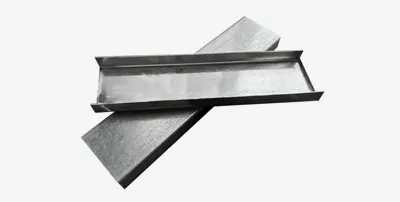
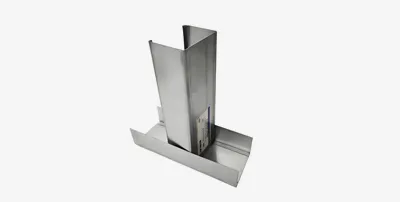
- **Metal studs**: Available in various thicknesses.
- **Track channels**: Used to secure the studs at the top and bottom.
- **Fasteners**: Screws and clips designed specifically for metal.
- **Insulation**: Optional, depending on the design requirements.
Step-by-Step Installation
1. **Mark the Layout**: Use chalk lines or laser levels to outline the walls where the metal studs will be installed.
2. **Attach Track Channels**: Secure track channels along the marked lines at the top and bottom.
3. **Insert Metal Studs**: Cut metal studs to fit and insert them into the track channels, ensuring they are vertical.
4. **Secure the Studs**: Use screws to secure the metal studs to the track channels at both ends.
5. **Add Insulation (if needed)**: Install insulation between the studs for sound and thermal benefits.
6. **Install Drywall**: Finish the wall by attaching drywall to the metal studs.
Design Flexibility and Aesthetic Appeal
Metal stud framing offers unparalleled **design flexibility**. With customizable lengths and configurations, architects and designers can create intricate layouts without fear of compromising integrity.
Integration with Modern Design Trends
Today’s architectural trends lean towards open spaces and minimalist designs. Metal studs facilitate these designs effectively, allowing for the creation of sleek, modern interiors with clean lines.
Soundproofing Options
The ability to incorporate soundproofing materials into metal stud walls enhances acoustic performance, making them suitable for a variety of environments, including offices, studios, and residential buildings.
Sustainability and Environmental Impact
As sustainability becomes a priority in construction, metal stud framing stands out for its environmentally friendly qualities.
Recyclable Materials
Metal is a highly recyclable material, which lessens the environmental footprint of construction projects. Choosing metal studs can significantly contribute to green building certifications.
Energy Efficiency
Metal stud framing can also promote energy efficiency. The ability to insulate walls effectively can reduce heating and cooling costs, thus benefiting both the environment and the occupants financially.
Common Issues and Solutions in Metal Stud Framing
Despite the many advantages, metal stud framing does come with its challenges. However, most issues can be addressed with proper techniques.
Corrosion Risks
In humid environments, metal can be prone to corrosion. To mitigate this, utilize galvanized steel studs, which are coated to prevent rust.
Thermal Bridging
Metal conducts heat more efficiently than wood, potentially leading to thermal bridging. Incorporating insulation within the framing can help minimize this effect.
Frequently Asked Questions
1. What is metal stud framing?
Metal stud framing is a construction method where steel studs are used as the primary framing material instead of traditional wood.
2. What are the advantages of using metal studs over wood?
Metal studs are more durable, fire-resistant, and cost-effective in the long run. They also generate less waste during installation and are recyclable.
3. Is metal stud framing suitable for all types of buildings?
Yes, metal stud framing is versatile and can be used in residential, commercial, and industrial buildings.
4. Can I insulate metal stud walls?
Absolutely. Metal stud walls can be insulated just like traditional wood-framed walls to improve energy efficiency and soundproofing.
5. How long does it take to install metal stud framing?
The installation time varies based on the project size, but it is generally quicker than traditional wood framing due to the ease of handling and precise manufacturing.
Conclusion
**Metal stud framing** offers a myriad of benefits that make it an appealing choice for wall partitions in construction and design. Its durability, cost-effectiveness, and sustainability features align perfectly with modern building demands, ensuring that it remains a leading option for builders and architects. By understanding the installation process and addressing common challenges, professionals can maximize the advantages of metal studs, paving the way for innovative and efficient construction solutions. Embrace the future of building with metal stud framing, and watch your projects soar to new heights.
Other blogs
Fiberglass Ceiling Tiles: Your Ultimate Solution for Effective Soundproofing
Fiberglass Ceiling Tiles: Your Go-To for Soundproofing Table of Contents 1. Introduction to Fiberglass Ceiling Tiles 2. What Are Fiberglass Ceiling Tiles? 3. Benefits of Using Fiberglass Ceiling Tiles for Soundproofing 4. How Do Fiberglass Ceiling Tiles Work for Soundproofing? 5. Installation Process of Fiberglass Ceiling Tiles 6. Maintenance Tips for Fiberglass Ceiling Ti
Understanding Metal Stud Framing for Wall Partitions: A Comprehensive Guide
Metal stud framing is becoming an increasingly popular choice for wall partitions in construction and interior design, offering a range of benefits that traditional wood framing simply cannot match. This comprehensive guide will delve into the key aspects of metal stud framing, emphasizing its importance in creating durable, efficient, and versatile wall systems. One of the primary advantages of m
Enhancing Your Office Aesthetics with Ceiling T Grid Installations
Enhancing Your Office Aesthetics with Ceiling T Grid Installations Table of Contents 1. Understanding Ceiling T Grid Systems 2. Benefits of Ceiling T Grid Installations for Office Spaces 3. Types of Ceiling T Grid Materials 4. Design Options for Ceiling T Grid Installations 5. The Installation Process of Ceiling T Grids 6. Maintenance Tips for Ceiling T Grid Systems 7.
Understanding Light Steel Keel: A Modern Solution in Construction
--- Light Steel Keel has emerged as a prominent choice in contemporary construction and decoration sectors due to its unique properties and benefits. This building material, primarily composed of cold-formed steel, offers exceptional strength-to-weight ratios, making it a versatile option for a variety of applications. One of the significant advantages of Light Steel Keel is its lightweight nature
Step-by-Step Guide to Repairing and Maintaining Your Paper-Faced Gypsum Board Walls
Step-by-Step Guide to Repairing and Maintaining Your Paper-Faced Gypsum Board Walls Paper-faced gypsum board walls, commonly known as drywall, are widely used in residential and commercial buildings due to their versatility, ease of installation, and cost-effectiveness. However, these walls can suffer from damage over time, whether from impact, moisture, or normal wear and tear. Maintaining and re
Understanding Calcium Silicate Ceiling Boards: Properties, Benefits, and Applications
Calcium Silicate Ceiling Boards are an innovative building material extensively used in the construction and decoration industry. These boards are primarily composed of calcium silicate hydrate, making them highly versatile for various applications. One of the key benefits of using Calcium Silicate Ceiling Boards is their excellent thermal insulation properties. They effectively minimize heat tran
What to Consider Before Installing Sand Texture Mineral Fiber Ceiling Tiles: A Comprehensive Guide
What to Consider Before Installing Sand Texture Mineral Fiber Ceiling Tiles When it comes to ceiling design, **sand texture mineral fiber ceiling tiles** offer a unique blend of aesthetics and functionality. They are increasingly becoming a favorite among homeowners and commercial property managers alike due to their versatility and acoustic benefits. However, before diving into the installation p
Unlocking the Benefits of Mineral Wool Acoustic Ceiling Tiles
Mineral wool acoustic ceiling tiles have emerged as a preferred choice in the construction and decoration materials industry, particularly for those looking to enhance acoustic performance and energy efficiency in various environments. These tiles, made from natural or recycled materials, are renowned for their sound absorption properties, making them perfect for spaces where noise control is esse