Looking for Custom Ceiling Solutions? Get a Free Quote Today!

-
ProductsMarketing & ServicesAfter-sales Service:
-
Marketing & ServicesAfter-sales Service:




Blog
Get ln Touch Today
Need Assistance? We're Here To Help!
Telephones
What are the different types of ceiling joists?
Release time :
Jul 24,2025
Source :
Nowadays, many families decorate their ceilings when renovating their homes to create a ceiling design.

Nowadays, many families decorate their ceilings when renovating their homes to create a ceiling design. This can make the living space more layered and enhance the aesthetics of the room. To create a ceiling design, we need to use some ceiling joists. There are many types of ceiling joist materials available on the market today, such as light steel joists, wooden joists, and aluminum alloy joists. So what are the differences between these ceiling joists? Let’s explore the details of ceiling joists with the help of the Qijia editor!
What are the types of ceiling joists?
1. Light steel joists
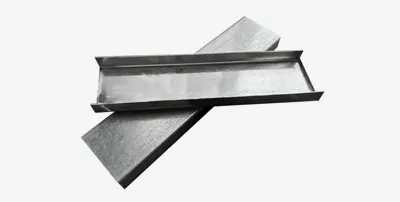
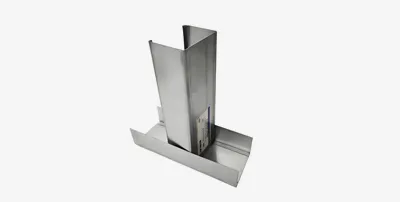
These are made from lightweight steel, a type of metal material. They have numerous advantages, such as being lightweight, high in hardness, strong, easy to install, quick to construct, waterproof, fire-resistant, moisture-resistant, earthquake-resistant, dust-resistant, soundproof, sound-absorbing, and temperature-regulating. Due to its specific specifications, light steel ceiling joists can be assembled quickly and are suitable for flat ceiling surfaces. They are currently the mainstream type of ceiling joists, and are categorized into series such as D60, D50, D38, and D25 based on their specifications.
2. Wooden Ceiling Frames
Since its primary material is wood, it is also referred to as wooden planks. Typically, it is made from tree species such as pine or cypress, processed into rectangular or square wooden strips. The characteristics of this ceiling frame include affordability, environmental friendliness, the ability to create any complex design, and ease of installation. However, its drawbacks include susceptibility to moisture damage, deformation, insect infestation, and fire hazards.
3. Aluminum alloy joists
They are primarily made from aluminum alloy, processed into a T-shaped structure through specific manufacturing techniques. Their advantages include versatile designs, stable performance, lightweight yet sturdy construction, and greater durability than light steel joists, making them suitable for ceilings with heavy loads in residential settings. However, aluminum alloy joists are more expensive, so they are primarily used in ceiling installations for important venues.
4. Steel Ceiling Grids
The primary material is steel, which is known for its high hardness and load-bearing capacity. Therefore, this type of ceiling grid also has excellent load-bearing properties. Although it is relatively heavy, it can support heavier objects such as crystal chandeliers. Additionally, steel ceiling grids have high density, stable material properties, and excellent durability. They have a long service life, are corrosion-resistant, and can withstand extreme temperatures, making them suitable for use in various regions. Steel ceiling beams are typically used in commercial ceiling installations and are less commonly used in residential ceiling renovations.
Other blogs
Fiberglass Ceiling Tiles: Your Ultimate Solution for Effective Soundproofing
Fiberglass Ceiling Tiles: Your Go-To for Soundproofing Table of Contents 1. Introduction to Fiberglass Ceiling Tiles 2. What Are Fiberglass Ceiling Tiles? 3. Benefits of Using Fiberglass Ceiling Tiles for Soundproofing 4. How Do Fiberglass Ceiling Tiles Work for Soundproofing? 5. Installation Process of Fiberglass Ceiling Tiles 6. Maintenance Tips for Fiberglass Ceiling Ti
Understanding Metal Stud Framing for Wall Partitions: A Comprehensive Guide
Metal stud framing is becoming an increasingly popular choice for wall partitions in construction and interior design, offering a range of benefits that traditional wood framing simply cannot match. This comprehensive guide will delve into the key aspects of metal stud framing, emphasizing its importance in creating durable, efficient, and versatile wall systems. One of the primary advantages of m
Enhancing Your Office Aesthetics with Ceiling T Grid Installations
Enhancing Your Office Aesthetics with Ceiling T Grid Installations Table of Contents 1. Understanding Ceiling T Grid Systems 2. Benefits of Ceiling T Grid Installations for Office Spaces 3. Types of Ceiling T Grid Materials 4. Design Options for Ceiling T Grid Installations 5. The Installation Process of Ceiling T Grids 6. Maintenance Tips for Ceiling T Grid Systems 7.
Understanding Light Steel Keel: A Modern Solution in Construction
--- Light Steel Keel has emerged as a prominent choice in contemporary construction and decoration sectors due to its unique properties and benefits. This building material, primarily composed of cold-formed steel, offers exceptional strength-to-weight ratios, making it a versatile option for a variety of applications. One of the significant advantages of Light Steel Keel is its lightweight nature
Step-by-Step Guide to Repairing and Maintaining Your Paper-Faced Gypsum Board Walls
Step-by-Step Guide to Repairing and Maintaining Your Paper-Faced Gypsum Board Walls Paper-faced gypsum board walls, commonly known as drywall, are widely used in residential and commercial buildings due to their versatility, ease of installation, and cost-effectiveness. However, these walls can suffer from damage over time, whether from impact, moisture, or normal wear and tear. Maintaining and re
Understanding Calcium Silicate Ceiling Boards: Properties, Benefits, and Applications
Calcium Silicate Ceiling Boards are an innovative building material extensively used in the construction and decoration industry. These boards are primarily composed of calcium silicate hydrate, making them highly versatile for various applications. One of the key benefits of using Calcium Silicate Ceiling Boards is their excellent thermal insulation properties. They effectively minimize heat tran
What to Consider Before Installing Sand Texture Mineral Fiber Ceiling Tiles: A Comprehensive Guide
What to Consider Before Installing Sand Texture Mineral Fiber Ceiling Tiles When it comes to ceiling design, **sand texture mineral fiber ceiling tiles** offer a unique blend of aesthetics and functionality. They are increasingly becoming a favorite among homeowners and commercial property managers alike due to their versatility and acoustic benefits. However, before diving into the installation p
Unlocking the Benefits of Mineral Wool Acoustic Ceiling Tiles
Mineral wool acoustic ceiling tiles have emerged as a preferred choice in the construction and decoration materials industry, particularly for those looking to enhance acoustic performance and energy efficiency in various environments. These tiles, made from natural or recycled materials, are renowned for their sound absorption properties, making them perfect for spaces where noise control is esse